Empowering Engineering Excellence: Innovate, Elevate, Deliver.
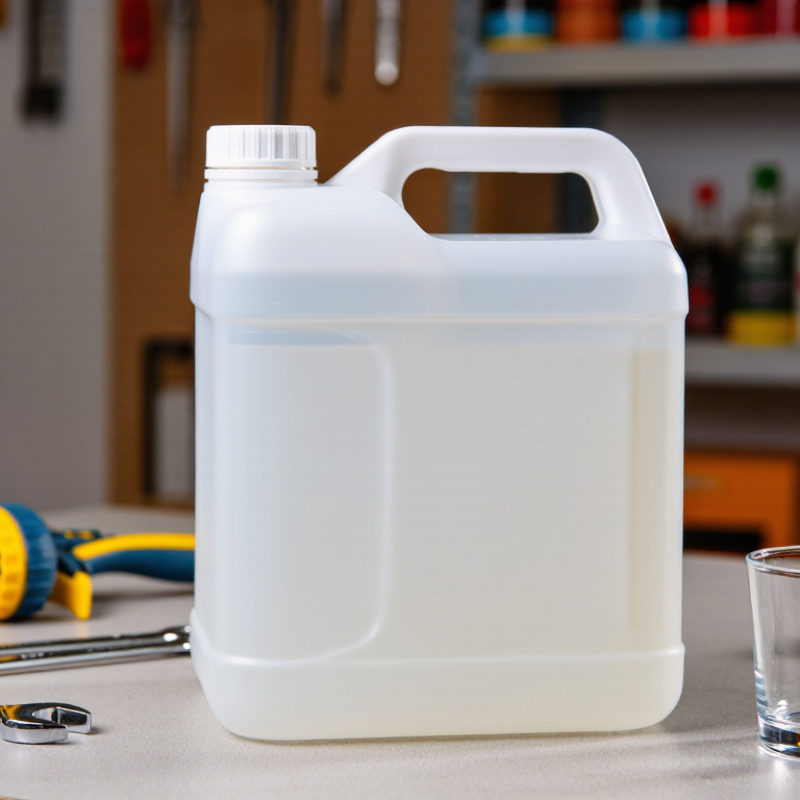
A Plastic Jerry Can 5 Ltr is a compact container designed for practical storage, transport, and controlled pouring. Its familiar rectangular shape fits neatly on shelves, vehicle floors, and workshop benches. The built-in handle helps users carry five litres without gripping a slippery surface. A secure screw cap can also reduce spills during movement.
In everyday settings, this container may hold drinking water, cleaning solutions, gardening liquids, lubricants, or other compatible non-hazardous products. However, not every can suits every substance. Material grade, wall thickness, cap design, and certification matter. A food-contact container should be clearly identified before storing water or edible liquids. That detail is easy to overlook.
Dr. Susan M. Selke, a recognized packaging sustainability specialist, offers a useful principle: “Packaging should protect its contents without using unnecessary material.” Her view fits the Plastic Jerry Can 5 Ltr well. Good design balances strength, weight, reuse, and recyclability. It is not automatically the best choice simply because it is inexpensive.
A can left in direct sunlight may become brittle over time. A damaged cap may leak inside a vehicle. These small failures create practical problems. Users should inspect the handle, seams, cap, and interior before filling it. The right application also depends on manufacturer guidance and local handling requirements. This article explores where a Plastic Jerry Can 5 Ltr performs well, where it may disappoint, and how careful selection improves everyday reliability.
What Is a Plastic Jerry Can 5 Ltr Used For?
A 5-liter plastic jerry can is a compact container for storing and carrying compatible liquids. Its name describes both its shape and capacity. The container usually has a rectangular body, a strong top handle, and a screw cap. This design supports controlled lifting and reduces movement during transport.
Most 5-liter jerry cans use durable plastic, often high-density polyethylene. The material is lightweight, moisture-resistant, and less likely to rust than metal. A recessed body can improve stacking and protect the container from side impacts. Some designs include a small pouring opening, while others need a separate spout. The cap should close firmly without forcing the threads. A loose seal can cause leakage, even when the container looks undamaged.
Tips
Check the container before every use. Look for cracks, swelling, faded plastic, or a damaged cap. Use it only for liquids approved by the manufacturer. Do not mix different liquids inside it. Clean and dry the can before changing contents, if its instructions permit cleaning. Keep it upright on a stable surface, away from sharp edges and extreme heat. Five liters can feel manageable, but a full container may still strain one hand. Use both hands when pouring. I sometimes underestimate that small weight. That is a practical mistake worth reconsidering. Never rely on appearance alone; material compatibility and sealing details matter more.
| Data Dimension | Typical Information | Practical Meaning |
|---|---|---|
| Definition | A reusable, rigid plastic container with a handle, a narrow filling opening, and a screw cap. | The design supports controlled carrying, pouring, and temporary storage of compatible liquids. |
| Nominal capacity | 5 liters | Equivalent to approximately 1.32 U.S. liquid gallons or 1.10 Imperial gallons. |
| Common container material | High-density polyethylene (HDPE), commonly identified by resin code 2. | HDPE is lightweight, impact-resistant, and suitable for many water-based and household products. |
| Typical empty weight | Approximately 0.25–0.50 kg, depending on wall thickness and fittings. | The container is easy to transport while still providing a rigid structure. |
| Typical external size | Approximately 18–24 cm wide, 12–16 cm deep, and 25–32 cm high. | Actual dimensions vary according to the mold, handle shape, base design, and closure system. |
| Primary uses | Carrying drinking water, process water, cleaning solutions, agricultural liquids, and other approved fluids. | The intended use depends on the container’s material, certification, closure, and chemical-compatibility information. |
| Water storage suitability | May be suitable for potable water when specifically manufactured, cleaned, and labeled for food contact. | A general-purpose container should not automatically be used for drinking water. |
| Fuel and chemical use | Only suitable when the container is specifically rated for the particular fuel or chemical. | Compatibility depends on the liquid, concentration, temperature, storage time, and applicable safety regulations. |
| Handle design | An integrated top or side handle molded into the container body. | The handle improves grip and helps reduce spills during lifting and pouring. |
| Filling and dispensing opening | A narrow threaded neck with a screw cap; some versions accept a separate spout. | The opening limits splash during transport and allows more controlled dispensing. |
| Leak-control features | Threaded cap, sealing liner or plug, reinforced neck, and stable base. | These features help reduce leakage when the container is upright and properly closed. |
| Approximate filled weight with water | About 5.25–5.50 kg, including the empty container. | The calculation uses water at approximately 1 kg per liter, plus the container weight. |
| Storage position | Normally stored upright on a level, stable surface. | Upright storage reduces stress on the closure and lowers the risk of leakage. |
| Cleaning and reuse | Clean with a compatible detergent, rinse thoroughly, and allow the container to dry fully. | Do not reuse a container for drinking water after it has held hazardous chemicals or fuel. |
| Main limitations | Not all plastic jerry cans are food-safe, pressure-rated, UV-stabilized, or chemically compatible. | Always check the container markings and product specifications before filling or transporting a liquid. |
Note: Dimensions, empty weight, closure type, and permitted contents vary by design. The values above describe common characteristics of 5-liter plastic jerry cans rather than a single standardized model.
A 5-liter plastic jerry can is a compact container for carrying and storing everyday liquids. Its size is practical for camping, gardening, household cleaning, and emergency water planning. A full can is easier to lift than a larger container, yet it holds enough for several tasks.
During outdoor trips, people often use one for drinking water, hand washing, or cooking water. Only containers approved for potable water should hold drinking water. Keep the cap tightly closed, store the can in a cool shaded place, and clean it according to the manufacturer’s instructions. A small spout can reduce spills near a tent or workbench.
At home, the can may hold diluted cleaning solutions, plant water, or other compatible liquids. Check the plastic type before use. Some liquids can weaken plastic, cause swelling, or leave odors that are difficult to remove. Never reuse a container for drinking water after storing an unsuitable substance. That mistake is easy to make.
In a workshop, a 5-liter can helps move water for washing tools or mixing approved products. Labeling matters, even when the liquid looks harmless. I have found that a strong handle is useful, but a full container can still feel awkward on stairs. For that reason, test the grip and pour slowly before carrying it far. Do not rely on appearance alone; inspect the can for cracks, leaks, and a loose cap before every use.
A 5-litre plastic jerry can is commonly made from high-density polyethylene, or HDPE. This material is lightweight, impact-resistant, and less likely to rust than metal. It suits water, cleaning solutions, garden treatments, and other liquids approved by the manufacturer. However, plastic quality varies. A container made for water may not resist concentrated chemicals, oils, or solvents.
Safety features deserve close attention. A strong handle should feel firm without sharp edges. The cap should seal evenly and include a suitable gasket. Some models use tamper-evident rings or child-resistant closures. Keep the can upright during transport. Leave a little space for liquid expansion, especially in warm conditions. Never fill a container that looks swollen, cracked, cloudy, or badly scratched.
Liquid compatibility must be checked before filling. Read the container label and consult the supplier’s compatibility chart or safety data sheet. Do not reuse a chemical container for drinking water. Odors can remain in the plastic. Even a clean-looking can may retain traces. I would rinse only when the instructions permit it, then inspect the seam and cap for leaks. That habit is easy to overlook. It should not be. Avoid storing liquids near heaters or direct sunlight, and replace the can when the plastic becomes brittle or the closure no longer seals.
A 5-litre plastic jerry can stores and carries compatible liquids in a compact, manageable format. Common uses include water, cleaning solutions, lubricants, and other approved household or industrial liquids. It must not hold food or drinking water unless its material and closure are certified for that purpose. Check the container marking and product instructions carefully. I still inspect every can before use, because a small crack may hide beneath a handle.
Fill the can on a stable surface, leaving expansion space above the liquid. Many workplace procedures leave roughly 5–10% headspace, but the liquid supplier’s instructions should control. Wipe the neck and cap threads before sealing. Tighten the closure firmly, without forcing or deforming it. A simple leak check helps, although it is not a complete safety test. Place the can upright inside secondary containment during transport. Secure it against tipping, impact, and direct heat. Never carry a container with a loose cap or swollen walls.
Store the jerry can in a cool, shaded, ventilated area. Keep incompatible liquids separated, and use clear labels showing the contents and date. The OECD’s Global Plastics Outlook reported 353 million tonnes of plastic waste in 2019, with only 9% recycled. Reuse should therefore be practical, not careless. UNEP’s 2023 report says plastic pollution could fall by 80% by 2040 through better reuse, recycling, and waste controls. Still, repeated reuse can weaken plastic. Replace any can showing brittleness, staining, distortion, or a damaged seal.
A 5-litre plastic jerry can is often made from high-density polyethylene, identified by recycling code 2. Cleaning starts immediately after emptying. Rinse it with water, add mild detergent, and scrub the handle, cap, and bottom corners. Let it dry completely with the cap removed. Residue can remain invisible.
Do not reuse a container for drinking water or food unless it was specifically designed and approved for that purpose. A can that held detergent, oil, or another chemical may retain vapour or residue. In practice, reuse is safer for the same compatible, non-hazardous purpose. Never mix different substances. I would not trust appearance alone.
For recycling, empty the can, rinse it when local guidance allows, remove loose labels, and separate the cap if requested. Check the resin code and municipal collection rules, because accepted plastics vary widely. The OECD’s Global Plastics Outlook reported 353 million tonnes of plastic waste in 2019, with only 9% recycled. The U.S. EPA recorded an 8.7% recycling rate for plastics in municipal solid waste in 2018. Those figures make careful sorting worthwhile. If the container is contaminated, heavily damaged, or rejected by the collection service, place it in the approved waste stream. Never burn it. Disposal guidance is imperfect, and local instructions should take priority.
Cleaning, Reuse, Recycling, and Disposal Considerations
Typical material: Many 5-liter plastic jerry cans are manufactured from high-density polyethylene (HDPE). The chart shows commonly reported HDPE material ranges: density of approximately 0.94–0.97 g/cm³, melting range of about 120–135°C, and water absorption below 0.01% by weight.
Use and handling: A 5-liter jerry can may be used for water, cleaning products, lubricants, or other liquids only when the container is specifically designed and labelled for that substance. Empty containers should be rinsed where safe, kept away from incompatible chemicals, and never reused for drinking water if they previously held hazardous substances.
Recycling and disposal: Check the recycling symbol and local collection rules. HDPE containers are commonly recyclable when empty, clean, and accepted by the local program. Containers that held hazardous chemicals may require special handling rather than ordinary household recycling.