7 Best Hi Vis Safety Jackets for Global Buyers?
Choosing the right Hi-Vis Safety Jackets is not a simple color comparison. Global buyers must examine visibility, weather protection, comfort, durability, and certification together. A jacket that shines beside a warehouse may fail in heavy rain or tropical heat.
Safety researcher Andrew Hale has repeatedly stressed a practical principle: “Safety depends on how work is actually performed.” That idea matters here. A road worker may wear a jacket for ten hours, bend repeatedly, carry tools, and face vehicle headlights at dusk. Small design details become important. Reflective tape must remain visible. Zippers should work with gloves. Cuffs should block wind without restricting movement.
This guide reviews seven Hi-Vis Safety Jackets for international purchasing decisions. It considers fluorescent fabric, reflective coverage, waterproof construction, breathability, sizing, seasonal use, and maintenance. It also references common requirements, including ANSI/ISEA 107 and EN ISO 20471. Buyers should still confirm the rules that apply in their destination market.
Some jackets look impressive on a product page. Reality can be less generous. Fabric may feel stiff. Reflective strips may crack after repeated washing. A low price may hide limited service life. Those weaknesses deserve attention.
The strongest option is not always the most expensive. It is the jacket that matches the worker, climate, task, and risk. This comparison aims to make that judgment clearer, while admitting one uncomfortable truth: no garment can replace proper site planning, training, and active hazard control.
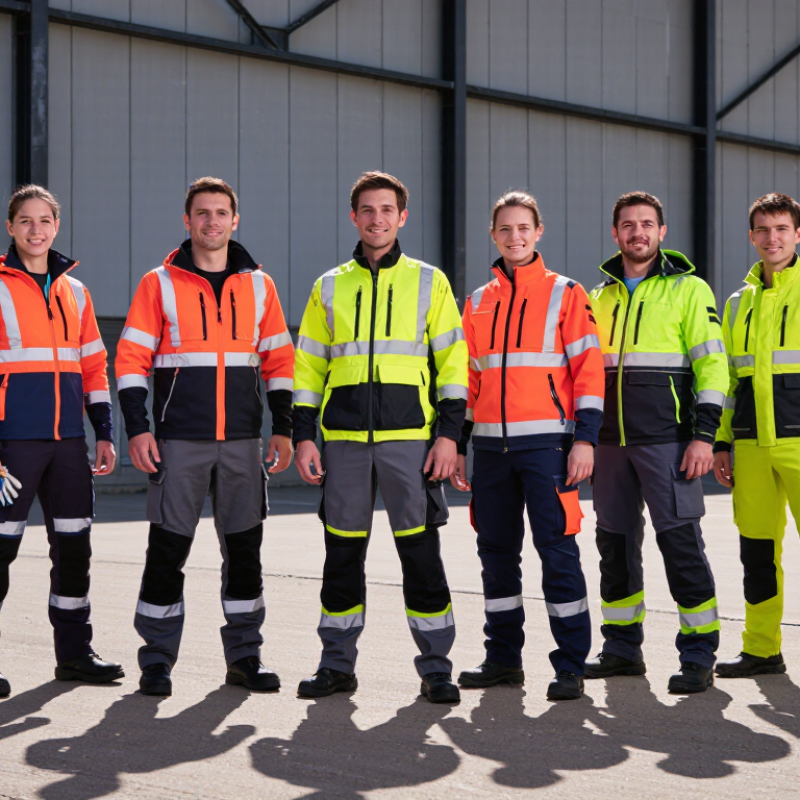
Hi Vis Safety Jackets: Purpose, Standards, and Essential Features
Hi-vis safety jackets make workers easier to see near traffic, machinery, and poorly lit work areas. Their purpose is simple: create strong contrast between the wearer and the background. Fluorescent yellow, orange, or red materials improve daytime visibility. Retroreflective tape returns light toward vehicle drivers at night. Visibility can save time, attention, and potentially lives.
Standards matter because appearance alone proves very little. Buyers should check ANSI/ISEA 107 in the United States, EN ISO 20471 in Europe, or AS/NZS 4602.1 in Australia and New Zealand. Requirements differ by garment type, visibility class, reflective area, and intended risk. Always confirm the current local requirement before ordering large quantities. A jacket may look compliant while using insufficient reflective material. That detail is easy to miss.
Useful features include a secure front closure, adjustable cuffs, a practical hood, and durable stitching. Breathable fabric helps prevent overheating during long shifts. Waterproof construction is valuable in rain, but poor ventilation can still make workers uncomfortable. Pockets should remain accessible without covering reflective bands. Sizing also deserves attention; oversized sleeves can catch on equipment, while tight layers restrict movement. Check washing instructions carefully, because dirt and repeated laundering can reduce visibility. No jacket is perfect. A reflective jacket cannot replace training, lighting, or safe site planning. Buyers should compare test documentation, fabric performance, repair options, and delivery consistency rather than choosing by color alone.
Seven Top Hi Vis Safety Jackets for Different Work Environments
7 Best Hi Vis Safety Jackets for Global Buyers
Seven Top Hi Vis Safety Jackets for Different Work Environments
Choosing a hi vis jacket depends on weather, movement, and job hazards. The right design is not always the brightest one.
For road crews, a lightweight mesh jacket supports airflow during hot shifts. A waterproof shell suits rainy construction sites, especially when taped seams reduce water entry. Cold-storage workers need an insulated jacket with adjustable cuffs and a covered zipper. A softshell jacket offers flexible warmth for outdoor maintenance and frequent vehicle access. Warehouse teams may prefer a lightweight two-tone jacket that improves visibility without restricting movement.
For welding areas, a flame-resistant jacket can support safer work when selected for the actual hazard. It must never replace proper protective procedures. Railway and airport workers may benefit from a jacket with clear reflective bands and strong contrast panels. For winter logistics, a high-visibility parka adds insulation, a longer cut, and useful storage.
Small details matter. Check whether the reflective material remains visible after repeated washing. Inspect stitching, zipper strength, and sleeve comfort. A jacket may meet one regional standard but not another, so global buyers should verify current certification requirements locally.
Fit is often overlooked. Too loose, and it may catch on equipment. Too tight, and workers may remove it. That defeats the purpose. Some designs sound ideal on paper, but real users may dislike the weight or heat. Field feedback should influence the final purchase.
Comparing Visibility, Protection, Comfort, and Weather Resistance
7 Best Hi Vis Safety Jackets for Global Buyers?
Visibility must work before protection matters. The U.S. Bureau of Labor Statistics recorded 1,942 fatal transportation incidents in 2023, representing 36.7% of workplace deaths. That figure makes reflective performance a practical buying priority. The seven strongest jacket choices include lightweight mesh, waterproof shell, insulated winter, softshell, rain parka, bomber, and convertible designs. Check background fabric, reflective tape width, contrast, and coverage against ANSI/ISEA 107-2020 or EN ISO 20471:2013+A1:2016. More fluorescent fabric is not automatically better.
Protection changes with the job. Waterproof shells resist rain but may trap sweat during heavy work. Softshells improve movement, yet they usually offer less storm protection. Insulated jackets protect warmth in cold conditions, while mesh designs suit hot climates. ISO 811 testing measures resistance to water pressure, but laboratory results cannot predict every worksite. A hood, sealed seams, adjustable cuffs, and covered zippers matter in real weather. Small details count.
Comfort affects whether workers keep jackets closed and correctly worn. The European Environment Agency reports that heat exposure is increasing across Europe, making breathability more important for outdoor crews. Choose layered systems when temperatures shift. Consider certified flame-resistant or arc-rated garments only when the hazard assessment requires them. I would not trust a bright color alone. Reflective tape can peel, sizing can restrict movement, and one overlooked zipper may ruin an otherwise strong jacket. Check washing instructions, replacement availability, and certification labels before ordering across borders.
7 Best Hi Vis Safety Jackets for Global Buyers
Comparative ratings are based on common market configurations and typical construction features. Visibility references high-visibility garment practices under ANSI/ISEA 107 and EN ISO 20471; certification must always be verified on the garment label.
Scores use a 1–5 comparative scale, where 5 represents the strongest overall performance for the listed category. Lightweight garments generally provide greater comfort, while insulated and waterproof designs offer stronger weather protection.
Global Safety Standards, Sizing, and Regional Buying Requirements
7 Best Hi Vis Safety Jackets for Global Buyers?
For global buyers, a hi-vis safety jacket is not compliant everywhere. Check the target market before comparing features. EN ISO 20471 applies widely across Europe and many international projects. ANSI/ISEA 107 guides visibility apparel in the United States. Canada, Australia, and New Zealand use different requirements, including CSA Z96 and AS/NZS 4602.1. Always verify the current edition, garment class, and certification documents with the supplier.
Sizing affects both safety and comfort. Measure the wearer’s chest, waist, sleeve length, and expected base layers. A jacket fitting over a winter coat may need one larger size. Reflective bands should remain visible when the wearer bends, drives, or carries equipment. Women’s and unisex cuts can fit differently. A neat size chart is not enough. Request a physical sample when ordering large quantities.
Regional weather also changes the best choice. Northern buyers may need insulated jackets with sealed seams and adjustable cuffs. Tropical regions often prefer lightweight, breathable fabric with quick-drying panels. In wet ports, waterproof ratings and hood visibility deserve close inspection. Bright yellow, orange, and red materials may have different acceptance rules by market. Do not assume a familiar color passes locally. Labels should show fiber content, care instructions, size, and required certification marks in the buyer’s language. Import documents and test reports can also affect delivery time, sometimes more than the jacket design.
How to Select the Right Hi Vis Jacket for Your Workforce
How to Select the Right Hi Vis Jacket for Your Workforce
Selecting a hi vis jacket starts with the worksite, not the catalog photo. A road crew needs strong daytime contrast and reflective visibility after sunset. Warehouse staff may need lighter fabric for indoor movement. Check the jacket’s visibility class against local workplace requirements. Requirements differ between countries and industries. Do not assume one model fits every location.
Weather changes the decision. For cold, wet sites, choose an insulated jacket with sealed seams and a storm flap. In mild rain, a breathable shell may reduce overheating. Look for adjustable cuffs, a secure hood, and pockets that remain usable with gloves. The reflective bands should stay visible when the worker bends, reaches, or carries tools. Fit matters. A jacket that rides up can expose dark clothing.
Ask for test reports, material details, washing instructions, and size measurements. Then run a short wear trial with real workers. Watch for noisy fabric, weak zippers, or uncomfortable collars. Small issues become daily complaints. Wash samples as instructed and inspect fading, peeling, and damaged reflective tape. A supplier’s paperwork helps, but physical inspection matters more. We have sometimes trusted specifications too quickly. That assumption deserves review. Choose durability without making the jacket heavy or restrictive. Worker feedback should influence the final order, even when it challenges the purchasing team’s original preference.