Top 5 Benefits of the Sand Molding Process for Manufacturing?
The sand molding process is pivotal in modern manufacturing, offering unparalleled flexibility and efficiency. According to a report by MarketsandMarkets, the global sand casting market is projected to reach $6.6 billion by 2025. This figure reflects a growing confidence in the sand molding process among manufacturers. The method's ability to produce complex shapes with ease makes it highly desirable.
Sand molding allows for rapid prototyping and delivery. Manufacturers can create molds in shorter time frames, leading to faster production cycles. For example, the aerospace industry benefits significantly, as many components require precision and quick turnaround. However, while the process offers many benefits, it also faces challenges. For instance, consistent sand quality and environmental concerns are areas for reflection.
Emphasizing innovation, the sand molding process remains a preferred choice. Its advantages are clear but require constant evaluation to enhance sustainability. Industries must stay abreast of advancements to fully harness the potential of this valuable method.
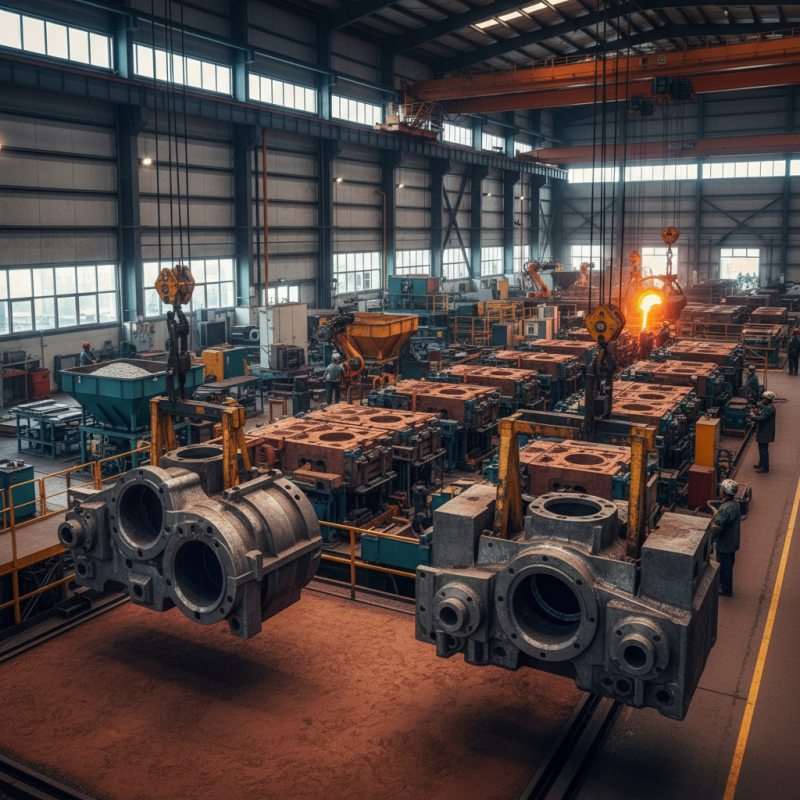
Overview of Sand Molding Process in Manufacturing
The sand molding process is a vital technique in manufacturing. It involves using sand as a primary material to create molds for metal casting. This method provides flexibility and efficiency in producing various shapes and sizes. The process begins by mixing sand with a bonding agent. This mixture is then shaped into a mold. When the metal is poured, it takes the form of the mold.
Tips: Always ensure the sand is clean. Contaminated sand can lead to defects. The mold should also be properly compacted. A loose mold can affect the final product’s quality.
The sand molding method offers benefits like cost-effectiveness and quick turnaround. Unlike other methods, it requires fewer resources. Also, the sand can be reused, minimizing waste. However, achieving the right mold consistency can be challenging. If the mixture is too dry or too wet, it can cause issues.
Tips: Test small batches first. This helps in achieving the right consistency. Regularly monitor the mixing process to ensure quality.
Enhanced Design Flexibility in Sand Molding Techniques
The sand molding process offers remarkable design flexibility. This method allows manufacturers to create intricate shapes and details. Designers can experiment with various forms without significant constraints. The ability to modify designs quickly can lead to innovative products.
With sand molds, intricate geometries are achievable. Complex features, such as thin walls and fine details, can be easily realized. However, achieving precision can sometimes challenge the process. Flaws may appear if the sand isn't handled properly. Manufacturers must remain vigilant during production.
The versatility of sand molding also enables easy adjustments. Changes can be made swiftly to meet evolving design needs. Yet, modifying a design might require re-evaluating the entire production approach. Balancing flexibility and practicality remains a crucial task for manufacturers.
Top 5 Benefits of the Sand Molding Process for Manufacturing
Cost-Effectiveness of Sand Molding in Production
The sand molding process proves to be a cost-effective solution for many manufacturers. This technique allows for the efficient production of metal castings. Using sand is inexpensive and widely available. Moreover, the molds can be quickly made and reused, reducing material waste. The flexibility of sand allows for various shapes and sizes, which is beneficial for custom projects.
However, not everything is perfect. The sand molding process may require more labor compared to other methods. Skilled workers are needed to create precise molds. Also, the surface finish of sand castings may not always meet high standards. This can lead to additional finishing work, impacting overall costs.
Nonetheless, the benefits often outweigh the drawbacks. Businesses must weigh these factors carefully. The choice of sand molding should align with project requirements. In many cases, it remains a logical choice for cost-effective production.
Superior Surface Finish Achieved Through Sand Molding
The sand molding process is known for its ability to create superior surface finishes in castings. This method utilizes fine sand mixed with binders to form molds. The result is a smooth and detailed surface on the final product. In many cases, the quality of the surface can reduce the need for extensive machining, saving time and costs.
However, achieving the perfect surface finish can be challenging. Variations in sand quality, moisture levels, and temperature can impact the results. While sand molding offers excellent aesthetics, imperfections can still occur. Small grains of sand may inadvertently stick to the mold, leading to rough patches. The delicate balance between molding conditions requires careful monitoring.
The benefits of sand molding extend beyond aesthetics. A superior finish often means enhanced product performance. Products that are visually appealing tend to attract more buyers. Nevertheless, reliance on this process requires ongoing adjustments and assessments. Even the best processes can encounter issues, so continuous learning is essential for improvement.
Top 5 Benefits of the Sand Molding Process for Manufacturing
| Benefit | Description | Impact on Manufacturing |
| Superior Surface Finish | Provides high precision and smooth surface, reducing need for additional machining. | Decreases post-manufacturing processes, saving time and costs. |
| Cost-Effectiveness | Materials used are generally inexpensive and readily available. | Low material costs lead to reduced overall production costs. |
| Design Flexibility | Allows for intricate designs and complex shapes that are hard to achieve with other methods. | Enables innovation and creativity in product design. |
| Rapid Production | Molding and casting processes can be executed quickly without extensive setup times. | Shorter lead times enhance responsiveness to market demands. |
| Durability of Molds | Sand molds can withstand high temperatures and pressures, maintaining shape during casting. | Increases the reliability and longevity of the molds used. |
Environmental Benefits of Using Sand in Manufacturing Processes
The sand molding process offers notable environmental benefits in manufacturing. It primarily reduces waste, making it a sustainable choice. According to industry reports, sand casting produces less scrap compared to other methods. This process can reuse up to 90% of the sand used, minimizing landfill contributions effectively.
Using sand as a core material requires less energy than traditional methods. The energy consumption can be up to 40% lower. This reduction decreases greenhouse gas emissions significantly. Moreover, it allows for the creation of complex shapes without harming the environment. Yet, concerns about sand mining's ecological impact must be addressed.
The sand sourcing issue raises questions about sustainability. Eco-friendly practices, such as ensuring proper land restoration after mining, are essential. Furthermore, while sand molding is versatile and cost-effective, it is essential to explore alternative materials. Striking a balance between efficiency and environmental stewardship remains a challenge for manufacturers.