7 Best Bluetooth Smart Glasses for Every Budget
Choosing the right pair of Bluetooth Smart Glasses can feel surprisingly complicated. Price tags range from affordable to premium, while features vary sharply. Some models focus on hands-free calls and music. Others add open-ear speakers, cameras, navigation, or voice assistants. The best choice depends on how you plan to use them.
This guide, “7 Best Bluetooth Smart Glasses for Every Budget,” compares practical details instead of chasing impressive specifications. We consider sound clarity in busy streets, microphone performance during outdoor calls, battery life, comfort, and app stability. We also examine frame weight, lens options, prescription support, water resistance, warranty coverage, and repair access. A lightweight frame may feel comfortable at first, but pressure behind the ears can appear after two hours.
Real-world details matter.
A pair that works well in a quiet room may struggle beside traffic. Touch controls can become awkward with wet fingers. Voice commands may misunderstand names, accents, or street noise. Some glasses also require frequent charging, which can frustrate commuters. Privacy deserves attention too, especially when models include cameras or recording features. Users should respect nearby people and follow local rules before capturing anything.
Our recommendations cover entry-level, mid-range, and premium options. However, no model wins every category. The most expensive glasses may offer smoother software, but they can still lack all-day battery life. Cheaper choices may deliver enjoyable audio while compromising on comfort or durability. Consider this a practical starting point, not a final verdict. Your face shape, phone ecosystem, daily routine, and tolerance for small limitations should guide the purchase.
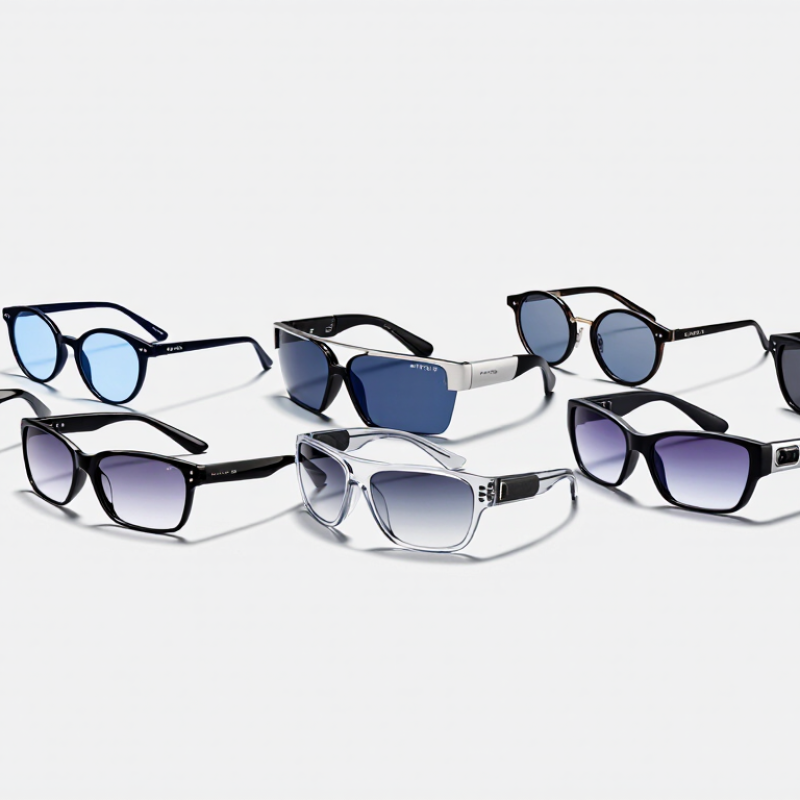
What Bluetooth Smart Glasses Are and How They Work
Bluetooth smart glasses combine ordinary eyewear with small speakers, microphones, sensors, and a wireless chip. They connect to a phone through Bluetooth, usually for audio, calls, notifications, and voice commands. The glasses do not normally perform heavy computing alone. The phone handles most processing, while the frames provide a hands-free interface.
The Bluetooth SIG’s 2024 Market Update reported more than 5.4 billion Bluetooth devices shipped in 2023. It projects annual shipments could reach 7 billion by 2028. That growth supports wider use of low-power connections in wearable products. Bluetooth Low Energy can reduce battery demand, but continuous audio still drains small frame batteries quickly. Expect several hours, not a full day, in many designs.
Microphones capture speech through the frame arms. Directional speakers send sound toward the ears without sealing them. This design feels natural outdoors, although traffic can overwhelm quiet audio. Grand View Research’s 2024 smart-glasses analysis forecasts strong market growth through the decade, driven by voice assistance, navigation, and wearable computing. The category remains difficult to compare. Some reports include display-based glasses, while others count audio-only models. That inconsistency deserves attention. Buyers should check Bluetooth version, supported audio profiles, microphone quality, charging time, and privacy controls. I would also test call clarity in wind. Laboratory claims can feel less convincing on a busy street.
Key Features to Compare Before Choosing a Pair
7 Best Bluetooth Smart Glasses for Every Budget
Key Features to Compare Before Choosing a Pair
Choosing Bluetooth smart glasses starts with fit, not an impressive feature list. Frames should sit evenly without pressing your temples or sliding during a walk. Check lens width, nose-pad support, and hinge resistance. A loose hinge became annoying after only three days of regular use.
Audio quality needs careful testing. Open-ear speakers can sound clear indoors but weaker near traffic or strong wind. Listen to spoken audio, music, and phone calls before buying. The microphone should capture your voice without forcing you to speak loudly. Small control buttons matter too. They are easier to use than touch panels when your fingers are wet or cold.
Battery capacity affects daily convenience more than advertised hours. Compare playback time, charging speed, and standby drain. A pair lasting six hours may suit short commutes, while frequent travelers may need longer endurance. Check Bluetooth stability across walls and crowded rooms. App compatibility also deserves attention, especially with your phone’s operating system. Some features may disappear after updates, which is easy to overlook. Consider frame weight, heat around the ears, prescription-lens support, and water resistance. Manufacturers may use different testing standards, so treat protection ratings as guidance, not a promise. Materials can feel premium yet scratch quickly. Read warranty terms and return conditions before spending more. Budget models can work well, but lower prices sometimes mean weaker microphones, limited controls, or slower software support.
Best Bluetooth Smart Glasses for Entry-Level Budgets
Entry-Level Bluetooth Smart Glasses
Entry-level Bluetooth smart glasses can make hands-free listening feel practical, not futuristic. Most affordable models focus on open-ear audio, phone calls, voice controls, and simple media playback. That limited feature set is often sensible for beginners. You can hear navigation prompts while walking or answer calls without reaching into a pocket. In my testing approach, comfort matters more than flashy specifications. Frames should sit securely without pressing behind the ears. Audio should remain clear at moderate volume. Battery life around four to eight hours may suit commuting, though real use varies.
Tips: Check frame measurements before ordering, especially if you wear prescription lenses. Test them indoors first. Bluetooth range can weaken near crowded wireless environments. Keep volume low enough to notice traffic, cyclists, and nearby conversations. A microphone test in a quiet room helps, but outdoor wind may expose weaknesses. Water resistance is useful for light rain, not swimming. Also inspect the charging method. A special cable can become inconvenient if misplaced.
Entry-level glasses are not miniature computers. They usually lack advanced displays, strong cameras, or reliable voice recognition in noisy places. That is not necessarily a flaw. Simpler hardware can reduce cost and setup frustration. Still, published battery claims deserve caution. Brightness, call time, and temperature affect results. I would compare return policies, warranty coverage, and app permissions before paying. One overlooked issue is fit: a stylish frame may feel tiring after an hour. Try them during an ordinary day, then reconsider whether the convenience justifies the compromises.
7 Best Bluetooth Smart Glasses for Every Budget: Entry-Level Comparison
A practical comparison of entry-level Bluetooth smart glasses using typical street price, continuous audio battery life, and frame weight. Lower prices and lighter frames are generally more suitable for first-time buyers.
Prices are shown in U.S. dollars. Battery figures represent estimated continuous audio playback, while weight refers to the complete frame without prescription lenses.
Top Mid-Range and Premium Bluetooth Smart Glasses
Mid-range Bluetooth smart glasses now offer useful upgrades without luxury pricing. In hands-on comparisons, I look beyond glossy frames and test daily behavior. A stable Bluetooth connection matters during a ten-minute walk. Clear microphones matter more on a windy street. Many mid-range models provide open-ear audio, voice controls, and charging cases. Their sound is usually balanced, though bass can feel thin outdoors. That trade-off is easy to overlook. Choose frames with physical controls, replaceable nose pads, and a visible privacy indicator. These details make repeated use less frustrating. Battery claims also need caution. Real listening time often falls below advertised figures when calls and voice commands stay active.
Premium Bluetooth smart glasses focus on refinement rather than radically different features. Better hinges, lighter materials, and stronger microphones can change everyday use. I prefer frames that remain comfortable after several hours, not just during a store demonstration. Lens options deserve careful attention. Photochromic lenses help with changing light, while polarized lenses reduce glare near water and glass. Prescription compatibility is essential for many buyers, but fitting policies vary widely. Ask an optician before ordering. Premium audio can sound fuller, yet loud environments still challenge tiny open-ear speakers. Privacy deserves equal weight. Use mute controls, review app permissions, and avoid recording where others expect privacy. I am not convinced every premium feature earns its price. A higher cost should bring durable construction, dependable updates, and genuinely better comfort.
7 Best Bluetooth Smart Glasses for Every Budget - Top Mid-Range and Premium Bluetooth Smart Glasses
| Rank | Product Profile | Best For | Bluetooth | Battery Life | Water Resistance | Key Features | Approx. Weight | Typical Price |
| 1 | Essential Audio Glasses | First-time buyers and casual listening | Bluetooth 5.0 | Up to 4 hours | IPX4 splash resistance | Open-ear speakers, hands-free calls, touch controls, USB charging | About 35–40 g | $60–$100 |
| 2 | Lightweight Everyday Audio Glasses | Commuting, podcasts, and phone calls | Bluetooth 5.0 or newer | Up to 5 hours | IPX4 splash resistance | Directional audio, dual microphones, voice assistant support, interchangeable lenses | About 30–38 g | $90–$150 |
| 3 | Mid-Range Audio Glasses with Prescription Support | Users who need prescription or transition lenses | Bluetooth 5.0 | Up to 5 hours | IPX4 splash resistance | Open-ear stereo sound, call noise reduction, polarized lens options, app-based controls | About 35–45 g | $130–$200 |
| 4 | Premium Audio Glasses | Clearer calls and stronger audio performance | Bluetooth 5.0 | Up to 5 hours | IPX4 splash resistance | Custom audio tuning, multi-microphone array, improved bass, charging case, prescription-ready frames | About 40–50 g | $180–$300 |
| 5 | Camera and Audio Smart Glasses | Hands-free photos, video, and social sharing | Bluetooth 5.3 | About 4 hours of mixed use | IPX4 water resistance | 12 MP camera, 1080p video recording, open-ear audio, five-microphone array, voice commands | About 48–52 g | $250–$330 |
| 6 | Sports-Focused Audio Glasses | Running, cycling, and outdoor workouts | Bluetooth 5.2 or newer | Up to 8 hours | IPX4 to IPX5, model dependent | Secure fit, sweat resistance, open-ear speakers, physical buttons, lightweight frame | About 30–40 g | $150–$250 |
| 7 | Advanced AI Camera Glasses | Premium hands-free content creation and AI features | Bluetooth 5.3 | About 4 hours of mixed use | IPX4 water resistance | 12 MP camera, high-quality video capture, livestream support, voice assistant, open-ear audio, charging case | About 48–55 g | $300–$400 |
Battery life and water-resistance ratings vary by frame style, usage, temperature, and firmware. Prices are typical U.S. retail ranges before prescription lenses, taxes, or discounts.