China Top 10 UHP Graphite Electrode Manufacturers?
China’s UHP Graphite Electrode sector supports the world’s expanding electric arc furnace network. The World Steel Association reported 1.888 billion tonnes of crude steel production in 2023. Electric arc furnaces consumed electrodes under intense heat, electrical load, and mechanical stress. Small quality differences can become visible as cracked nipples, unstable arcs, or shortened campaign life.
China remains a critical manufacturing base. The U.S. Geological Survey’s Mineral Commodity Summaries 2024 identified China as the leading producer of natural graphite, supporting a broad domestic carbon-material supply chain. However, graphite availability alone does not prove electrode excellence. Pitch selection, needle-coke control, graphitization temperature, machining accuracy, and traceability matter more than factory size. This point is often emphasized by Ravi Jhunjhunwala, chairman of HEG Limited: “Consistency is the real measure of quality.” It is a simple statement. It deserves attention.
This China Top 10 UHP Graphite Electrode Manufacturers overview therefore considers more than advertised capacity. It examines product specifications, furnace technology, export experience, quality certifications, customer industries, delivery performance, and technical support. Public company information, industry reports, and verifiable manufacturing evidence guide the comparison. Rankings can still change. Data is not always disclosed consistently. That weakness should be acknowledged, not hidden.
For buyers, a polished website is insufficient. Ask for resistivity, bulk density, flexural strength, thermal expansion, and nipple performance. Request test records and application references. The best supplier is not always the largest one. A reliable electrode must perform inside a real furnace, during real production, under real pressure.
What Are UHP Graphite Electrodes and Why Are They Important?
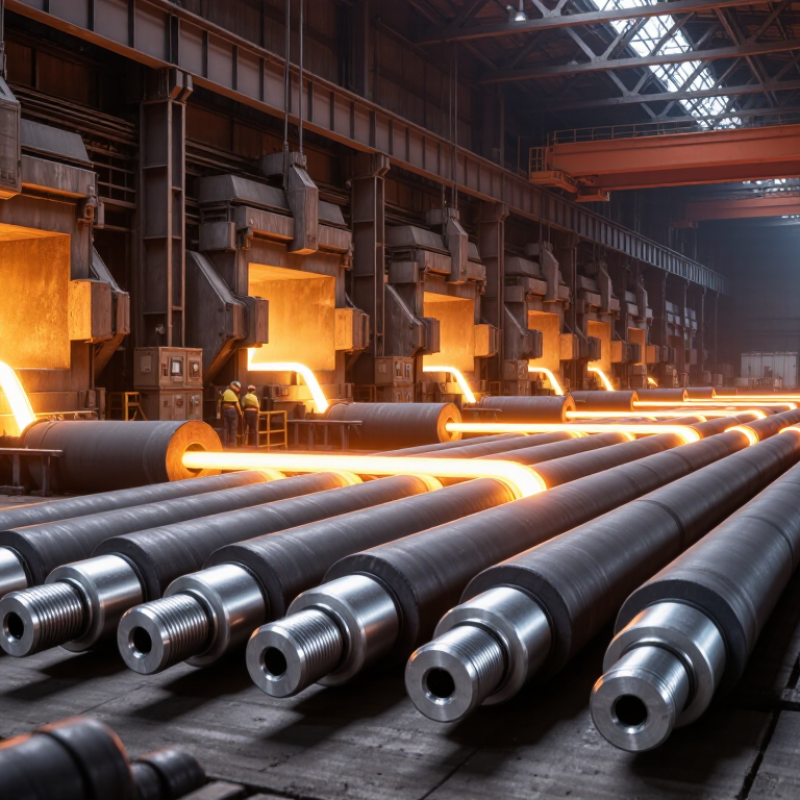
UHP graphite electrodes are high-performance conductors used mainly in electric arc furnaces. They carry intense electrical current into the furnace, creating an arc hot enough to melt steel scrap. UHP grades usually tolerate current densities above 25 A/cm². They are made from carefully selected carbon materials, including needle coke and pitch. Multiple baking and graphitization stages improve strength, conductivity, and thermal stability. The result is a dense electrode with low electrical resistance.
Their importance becomes clear during demanding furnace cycles. A reliable electrode supports stable arcs, faster melting, and controlled energy use. It also helps reduce breakage, delays, and unnecessary electrode consumption. However, performance depends on more than laboratory specifications. Storage moisture, poor nipple alignment, sudden power changes, and uneven furnace charging can cause cracks or joint failures. No electrode is perfect. A small handling mistake may cancel an excellent production record. Practical evaluation should include bulk density, resistivity, flexural strength, thermal expansion, and actual furnace behavior. Test data matters, but operating conditions matter too.
Tips: Keep electrodes dry and covered before use. Inspect threads and joints carefully. Avoid dropping or dragging them across hard surfaces. Match electrode size with furnace power and cooling conditions. Record consumption, breakage, and arc stability for each campaign. These records reveal weaknesses that a product brochure may miss. The best choice is not always the lowest-priced option. It is the one that performs consistently under real thermal and mechanical stress.
What Are UHP Graphite Electrodes and Why Are They Important?
Typical current-carrying capacity by nominal electrode diameter
UHP graphite electrodes are high-performance conductive components used mainly in electric arc furnaces. Larger diameters generally support higher operating currents, enabling faster melting and greater furnace productivity. The values shown are representative midpoints of commonly published engineering ranges; actual capacity depends on electrode design, cooling, furnace conditions, and operating practices.
How to Evaluate China’s UHP Graphite Electrode Manufacturers
When evaluating China’s UHP graphite electrode manufacturers, start with evidence, not catalog language. Ask for recent test reports, production records, and traceable batch numbers. Check electrode diameter, bulk density, resistivity, flexural strength, and thermal expansion. These figures influence furnace stability and electrode consumption. A supplier should explain its raw material sources, needle coke ratio, impregnation process, graphitization temperature, and machining tolerance. Vague answers deserve careful questioning.
Factory experience matters during technical reviews. Inspect mixing, molding, baking, impregnation, and graphitization areas if possible. Look for controlled storage, clean handling, and calibrated testing equipment. Review how workers detect cracks, internal defects, and nipple connection problems. Request samples from normal production, not specially selected pieces. Compare laboratory data with your furnace records. A perfect report is not enough. I have seen small dimensional errors create difficult connection issues.
Reliability also appears outside the workshop. Examine delivery history, packaging methods, replacement procedures, and communication during urgent orders. Ask whether the manufacturer can provide trial support and practical installation guidance. References from comparable steelmaking operations are more useful than general praise. Verify certificates independently and confirm their scope. Cost deserves attention, but low pricing may reflect weaker impregnation or inconsistent graphitization. My own evaluation is never flawless; operating conditions, transport damage, and site practices can distort results. Keep a written scorecard, record exceptions, and revisit the supplier after actual furnace use.
China’s Top 10 UHP Graphite Electrode Manufacturers
China’s Top 10 UHP Graphite Electrode Manufacturers are judged by more than production volume. Experienced buyers inspect electrode diameter, nipple fit, resistivity, and shipment consistency. UHP grades support demanding electric arc furnace operations, where current density and thermal shock matter. A reliable producer should provide traceable raw materials, controlled graphitization, and batch-level test reports. Look closely. Manufacturing evidence matters. Factory audits can reveal machining accuracy, warehouse conditions, and packing quality. Samples should be tested before a large purchase, especially when furnace settings differ. That practical step prevents expensive surprises.
The strongest suppliers usually control forming, baking, impregnation, graphitization, and machining. Their technical teams should discuss oxidation, electrode consumption, joint torque, and breakage patterns clearly. Quality certificates help, but they are not the whole story. Ask for recent data on bulk density, flexural strength, ash, and electrical resistivity. Also review lead times during peak steelmaking seasons. A low quotation may hide inconsistent nipples or delayed replacement support. Not every published ranking is fully transparent. That deserves scrutiny. A fair comparison should combine plant capability, export experience, complaint handling, and verified performance. Some buyers focus too heavily on price. That can be a costly mistake. The top ten list works best as a starting point, not final proof.
China Top 10 UHP Graphite Electrode Manufacturers
Technical figures represent commonly specified commercial ranges for UHP graphite electrodes and may vary by diameter, production batch, testing method, and applicable standards.
How Do These Manufacturers Compare in Quality and Capacity?
China Top 10 UHP Graphite Electrode Manufacturers: How Do These Manufacturers Compare in Quality and Capacity?
China’s leading UHP graphite electrode manufacturers differ in both product consistency and production scale. Quality depends on needle coke selection, graphitization temperature, machining accuracy, and nipple performance. Buyers should check resistivity, bulk density, flexural strength, and thermal expansion data. A stable electrode usually shows fewer surface cracks after repeated furnace cycles. Small details matter.
Capacity comparisons need careful reading. Some factories report total graphite output, while others state only UHP electrode capacity. A large plant may offer electrodes from 300 mm to 700 mm, with automated molding and deep graphitization furnaces. Smaller producers may provide more flexible dimensions, but their delivery schedules can vary during peak demand. Published capacity is useful, not conclusive.
Tips: Request recent laboratory reports, sample inspection records, and references from comparable steel furnaces. Confirm whether production capacity includes machining, joint production, and export packaging. Ask how the supplier handles electrode breakage claims. This is often more revealing than a polished brochure. In my experience, price alone gives a weak comparison. A lower-cost electrode may increase consumption, delays, and furnace instability. Even experienced buyers can overlook storage conditions. Humidity, impact damage, and poor nipple alignment can reduce performance before installation.
What Should Buyers Consider Before Choosing a Supplier?
Choosing among China’s top UHP graphite electrode manufacturers requires more than comparing prices. Buyers should check production experience, furnace capacity, and export records for similar steelmaking applications. A supplier may claim high quality, yet consistent performance depends on raw materials, graphitization control, and machining accuracy.
Request recent test reports for resistivity, bulk density, flexural strength, and ash content. Samples matter. Compare several pieces, not one polished sample. Inspect nipple dimensions, thread protection, packaging, and moisture control before shipment. Ask whether quality checks occur during production or only before loading. That difference can affect electrode consumption and furnace stability.
Reliable suppliers explain tolerances clearly and provide traceable batch numbers. They should also confirm delivery schedules, replacement procedures, and technical support after installation. A detailed factory audit can reveal practical issues, such as poor storage roofs or mixed batches near the packing area. These details are easy to overlook. I would also question unusually low quotations, because savings may reflect lower-grade needle coke or thinner machining allowances. However, a higher price is not automatic proof of better performance. Buyers should compare verified data, trial results, and total operating cost before making a decision.