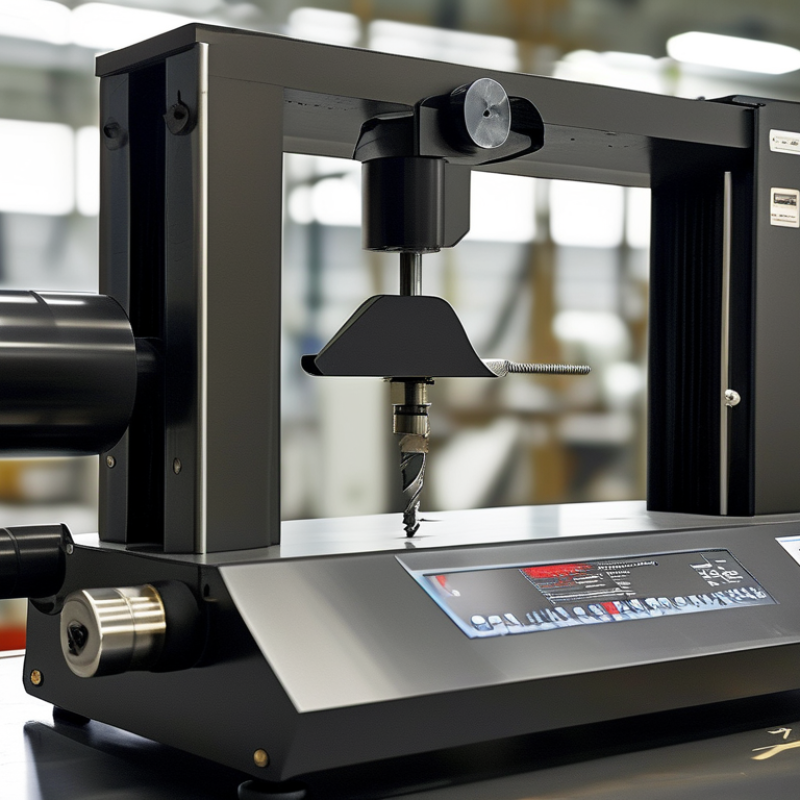
Why Choose a Pendulum Impact Tester for Your Testing Needs?
A Pendulum Impact Tester is an essential tool for material testing. It measures the impact strength of various substances. This device plays a crucial role in quality control and product development.
Using a Pendulum Impact Tester, engineers can evaluate ductility and toughness. The accuracy of the results is vital for ensuring product reliability. This tester adheres to industry standards, making it a trustworthy choice. However, it is essential to calibrate the device regularly. Neglecting this can lead to misleading outcomes.
Many industries benefit from using this testing method. Companies producing plastics, metals, and composites rely on precise impact testing. Despite its advantages, some users may struggle with the interpretation of results. Understanding the data requires expertise. Overall, the Pendulum Impact Tester stands out in offering reliable, accurate, and repeatable testing solutions.
Understanding the Basics of Pendulum Impact Testing
Pendulum impact testing is essential for evaluating the toughness of materials. This method provides precise data on how materials respond to sudden shocks. It is popular in industries such as aerospace, automotive, and construction. According to a report from the ASTM International, over 60% of material failures occur due to impact loads. Understanding the fundamental principles of pendulum impact testing can prevent such failures.
The tester works by swinging a pendulum to strike a specimen. Different designs offer variable energy levels, enabling a range of impact scenarios. This flexibility allows testing of materials under conditions that closely mirror real-life application. Interestingly, a study published by the Journal of Materials Science indicates that over 40% of tested samples did not meet expected toughness criteria. These results highlight the importance of thorough testing.
However, while pendulum impact testing is effective, it is not without limitations. Some materials may exhibit unpredictable behaviors under impact. Environmental factors can also influence results. Proper calibration and consistent testing conditions are critical to obtaining reliable data. Industry professionals must continuously reflect on their testing methods to ensure accuracy and relevance in their findings.
Key Advantages of Using a Pendulum Impact Tester
A pendulum impact tester offers essential advantages for material testing. It simulates real-world impacts effectively. This equipment determines a material's toughness and resilience. Understanding a material's capacity to absorb energy is critical in various industries. The tester can provide insight into how materials behave under sudden stress.
Precision is a key advantage of the pendulum impact tester. Its design allows for accurate measurement of energy absorption. This accuracy helps engineers make informed decisions. Yet, the results can vary depending on the testing conditions and specimen preparation. This variability highlights the importance of thorough methodology and consistency in testing practices.
Another benefit is versatility. Pendulum impact testers can assess a range of materials, from plastics to metals. This adaptability makes them a favorite in quality control labs. However, it's vital to recognize potential limitations, such as size restrictions for certain specimens. Awareness of these constraints can drive improvements in testing processes.
Applications of Pendulum Impact Testers in Various Industries
Pendulum impact testers play a vital role across various industries, allowing companies to assess material durability. In automotive manufacturing, for instance, the materials used in vehicles require rigorous testing to ensure safety. An industry report from ASTM International indicates that materials undergo impact tests to meet safety regulations and prevent failure during accidents.
In construction and building materials, pendulum impact testers are essential for evaluating resilience. A study by the American Society for Testing and Materials (ASTM) highlights how these tests help predict the performance of materials under stress. Real-world applications, such as testing glass for safety in buildings, are crucial for protecting lives. This industry leverages impact data to refine techniques and improve product longevity.
Tip: Regularly calibrate your equipment to ensure accuracy in testing. Calibration can affect results significantly, leading to misinterpretations.
In consumer electronics, pendulum impact testers are used to evaluate product durability. Companies want to avoid defects that result in costly recalls. Data from market research indicates that products with higher impact resistance have lower returns. This focus on durability can enhance brand reputation and customer trust.
Tip: Review testing procedures annually. An updated testing protocol allows identification of any gaps or areas for improvement.
Factors to Consider When Choosing a Pendulum Impact Tester
Choosing a pendulum impact tester involves several critical factors. One of the primary considerations is the material properties of the samples being tested. Different materials require varying impact energies to assess their toughness accurately. For example, ASTM D256 specifies the Izod and Charpy tests for measuring impact resistance. A reliable tester should accommodate the specific energy range needed for your applications.
Another factor is the test environment. Temperature and humidity can greatly influence results. Testing standards indicate that conditions must be controlled. For example, high humidity can affect plastic materials, leading to inaccurate data. Ensuring that the tester is suitable for specific environmental conditions is vital for reliable results.
Calibration and maintenance are also crucial. Regular calibration ensures that the tester functions correctly. Research shows that up to 20% of impact testers may provide skewed results if not properly maintained. Users should establish a maintenance schedule to enhance the tester's longevity and reliability. Addressing these factors can lead to better testing outcomes and improved material selection processes.
Best Practices for Conducting Pendulum Impact Tests
When conducting pendulum impact tests, precision is key. This type of testing evaluates material toughness and impact resistance. Before starting, ensure that the pendulum is calibrated properly. Calibration influences the accuracy of your results. A poorly calibrated device can lead to misleading data. Check the settings regularly, especially before crucial tests.
Proper sample preparation is crucial. Each specimen must mimic real-world conditions as closely as possible. Uniform dimensions and materials will yield more reliable results. Additionally, consider environmental conditions. Humidity and temperature can affect material performance. Testing in a controlled environment helps maintain consistency.
Documenting your testing conditions is vital. Keep a log of each test, noting any variations. This documentation enhances the reliability of your findings. Anomalies could arise during tests, necessitating a review of methods. Reflection on past tests may reveal patterns or issues. Continual improvement stems from analyzing previous data. Experience plays an important role in refining your approach.
Why Choose a Pendulum Impact Tester for Your Testing Needs? - Best Practices for Conducting Pendulum Impact Tests
| Test Parameter | Description | Recommended Value |
| Sample Size | Dimensions of the specimen to be tested | Min 10 cm x 10 cm |
| Impact Energy | Energy level applied to the sample during impact | 5 Joules to 50 Joules |
| Temperature Control | Control of ambient temperature during testing | Room Temperature ± 2°C |
| Material Type | Type of material used in the sample | Plastic, Metal, Composite |
| Test Environment | Conditions where the test is conducted | Controlled Laboratory |