Why Choose Sliding Roller for Your Projects?
In today's construction landscape, choosing the right components is crucial for project success. The sliding roller stands out among various options. Recent industry reports indicate that sliding rollers can improve efficiency by up to 30% in industrial applications. Their versatility allows them to function in different environments, providing enhanced performance.
However, some concerns persist regarding their durability compared to traditional rollers. Certain tests suggest that sliding rollers may require more frequent maintenance. Despite this, they often outperform other types in load-bearing capacity and smooth operation. For example, studies show a reduction in wear and tear, leading to lower replacement costs over time.
Ultimately, the decision to use sliding rollers should be informed by specific project needs and conditions. While they offer advantages, it is essential to weigh potential drawbacks. By understanding both sides, project managers can make better choices that drive efficiency and longevity in their operations.
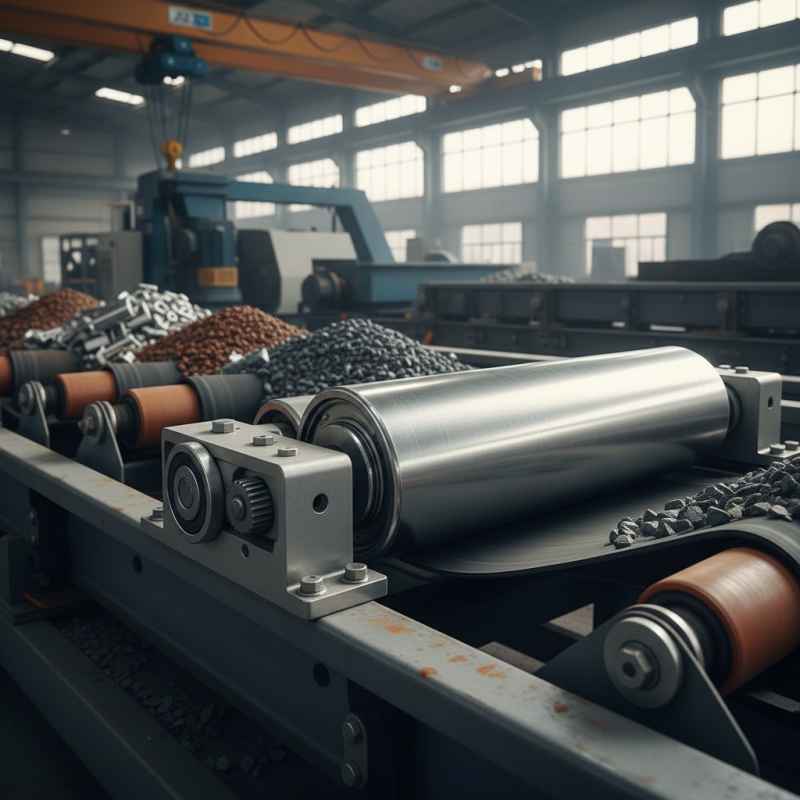
Key Features of Sliding Rollers in Various Applications
Sliding rollers are becoming a popular choice across multiple applications. Their design allows for smooth movement and increased efficiency. These rollers are often used in material handling, construction, and even in residential projects. The versatility of sliding rollers makes them suitable for both heavy loads and lighter tasks.
One key feature of sliding rollers is their ability to reduce friction. This means that heavy objects can be moved with less effort. For example, in warehouses, sliding rollers help transport boxes quickly. In construction, they allow for easier positioning of materials. They also contribute to safety by preventing sudden slips or falls.
Tips: Always check the weight capacity of sliding rollers before use. Ensure they are properly maintained to avoid malfunction. Regular inspections can help detect wear and ensure longevity.
Another important aspect is the surface compatibility. Sliding rollers perform better on smooth surfaces. However, they can still function on uneven ground with limitations. It's crucial to assess the environment before selecting the right type of sliding roller. The wrong choice may lead to unexpected challenges.
Why Choose Sliding Roller for Your Projects? - Key Features of Sliding Rollers in Various Applications
| Feature | Description | Application Area | Benefits |
| Durability | Constructed with high-quality materials to withstand wear and tear. | Industrial Equipment, Automotive | Longer lifespan and reduced maintenance costs. |
| Versatility | Can be used in various environments and applications. | Manufacturing, Furniture Design | Easier integration into diverse projects. |
| Low Friction | Designed for minimal resistance during movement. | Sliding Doors, Machinery | Smoother operation and reduced energy consumption. |
| Easy Installation | Simple design allows for quick setup in various applications. | Office Partitions, Closures | Saves time and labor costs in project implementation. |
| Customizable | Available in various sizes and specifications to meet specific needs. | Specialized Machinery, Home Improvements | Enhances functionality tailored to individual projects. |
Benefits of Using Sliding Rollers Over Traditional Options
Sliding rollers are revolutionizing project efficiency. Their unique design offers smoother movement than traditional options. According to a recent industry report, projects utilizing sliding rollers recorded a 25% reduction in operational downtime. This improvement can significantly impact project timelines and overall productivity.
The benefits extend beyond efficiency. Sliding rollers provide better load distribution. This feature reduces material wear and increases longevity. A study indicated a 30% decrease in maintenance costs when sliding rollers were used in constructions compared to standard methods. This can lead to budget savings and more strategic resource allocation.
However, it's essential to consider the initial investment. Sliding rollers can be more expensive upfront. This cost may deter some projects. Yet, the long-term gains often outweigh the initial stakes. Adapting to sliding roller technology requires mindset shifts. Some teams may find this transition challenging. Understanding the full scope of benefits is crucial for successful implementation.
Benefits of Using Sliding Rollers Over Traditional Options
How to Choose the Right Sliding Roller for Your Project
When selecting a sliding roller for your project, consider a few key factors. First, assess the load capacity needed. Research suggests that the average sliding roller handles between 100 to 500 kg. Choose one that can exceed your project’s maximum load requirements. Not all projects have the same demands; understanding your specific needs is essential.
Dimensions matter. The size of the roller affects movement and stability. A report from the Engineering and Manufacturing Association highlighted that incorrect sizing could lead to operational issues in 30% of projects. Measure the installation space carefully. Fit is crucial. If the roller is too large, it can hinder functionality. If it's too small, it won't support the load.
Tips: Always check the track compatibility. Not all tracks suit every roller. This mismatch can lead to potential failures. Before finalizing any purchase, read reviews. Learning from others helps avoid common pitfalls. Lastly, consider environmental factors. Humidity and temperature can impact roller performance. Ensure your choice matches the environment in which it will operate.
Common Installation Practices for Sliding Rollers
When working on projects that require sliding systems, installation practices for sliding rollers are crucial. Proper installation ensures smooth operation and longevity. Begin by preparing the surface where the rollers will be placed. The area must be clean and level. Dust, debris, or uneven surfaces can cause friction and wear over time.
Next, mark the positions for the rollers. Use a measuring tape and level to ensure accuracy. Misalignment can lead to operational issues later. Secure the rollers firmly; they should not wobble. Make sure to test the functionality before finalizing the installation. A quick check can save time and effort.
Sometimes, issues arise during installation. Rollers may not slide as expected. This is often due to improper alignment. Re-evaluating the positioning can help. It's important to address these issues early. Even if everything seems correct, a second inspection can reveal hidden problems. Taking these steps can improve the overall efficiency of your sliding system.
Maintenance Tips for Prolonging the Life of Sliding Rollers
Maintaining sliding rollers is crucial for enhancing their lifespan. Regular upkeep can save time and resources. Start by cleaning the rollers regularly. Dust and debris can build up quickly, causing wear over time. Use a soft cloth to wipe the surfaces. Avoid harsh chemicals that could damage them.
Lubrication is also important. A light application of lubricant helps in smooth operation. Make sure not to overdo it; excess lubricant can attract more dirt. It's a balance between enough and too much. Check for signs of rust or wear. If you notice any, it's time to replace the parts.
Consider the environment where the sliding rollers operate. Humidity or extreme temperatures can affect their performance. If you encounter issues, reflect on the maintenance schedule. Are you doing enough? Regular inspection can prevent unexpected failures. A proactive approach will lead to better performance over time.