How to Choose the Best High Pressure Couplings for Your Needs?
Choosing the right High Pressure Couplings is crucial for various applications. These components play a significant role in ensuring safety and efficiency. In the industrial sector, high pressure couplings are vital for handling fluids under extreme conditions. Their design and material can impact performance significantly.
Many factors influence the selection of high pressure couplings. The right choice can enhance operation while minimizing risks. Factors like pressure rating and material compatibility must be considered. A mismatch could lead to failures and costly repairs.
Not all couplings are created equal. Some may excel in specific environments while failing in others. It’s essential to evaluate your unique needs. Take time to research and consult with experts to ensure you make an informed decision. The right high pressure couplings will lay the foundation for successful operations in your industry.
Understanding High Pressure Couplings: An Overview
High pressure couplings are essential in various industries, providing safe and efficient fluid transfer. These couplings connect hoses or pipes under high pressure conditions. Properly understanding their structure and functionality is crucial for selecting the right type.
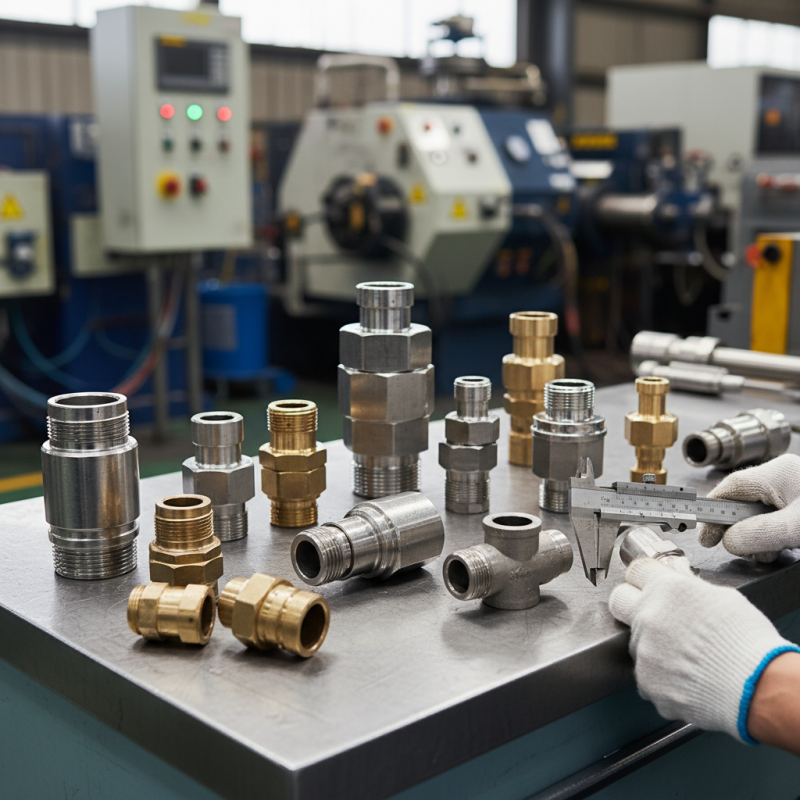
When examining high pressure couplings, consider the materials used. They must be durable and resistant to corrosion. Common choices include stainless steel and brass. The design also plays a role; whether it’s quick-disconnect or threaded, this affects usability. Remember, the working pressure and temperature ratings should align with your application.
Finding the best coupling may require some trial and error. A coupling that works well in one setting may not be ideal in another. Testing different options helps refine your choice. Always consult technical specifications and data sheets. This step ensures compatibility and performance. Stay open to adjustments as you learn from each experience.
Key Factors to Consider When Selecting High Pressure Couplings
Selecting the right high pressure couplings requires careful consideration of several key factors. Material choice is crucial. Couplings are often made from stainless steel, aluminum, or other alloys. Each material offers different levels of corrosion resistance and strength. Consider the environment where the couplings will be used. Will they face harsh chemicals or extreme temperatures?
Another important factor is the pressure rating. Couplings must withstand the pressure levels relevant to your application. Misjudging this can lead to failure. Furthermore, check compatibility with existing systems. Mismatched sizes or threads can cause leaks or operational failures.
Ease of assembly and maintenance should also be evaluated. Some couplings require special tools for installation. This can increase downtime and costs. Reflect on how often you will need to connect or disconnect them. Choose options that allow for quick adjustments without compromising safety. It's essential to prioritize reliability over cost, as cheap couplings may be more expensive in the long run.
How to Choose the Best High Pressure Couplings for Your Needs?
This bar chart illustrates the key factors to consider when selecting high pressure couplings. Each factor is rated on a scale from 1 to 10, reflecting its importance in the decision-making process.
Types of High Pressure Couplings and Their Applications
High pressure couplings are critical components in various industries, including oil and gas, chemical, and maritime. Each type of coupling serves specific applications, ensuring secure and efficient fluid transfer. According to a report by Grand View Research, the global market for high pressure couplings is expected to reach $3.4 billion by 2025, indicating a growing demand for these components.
There are several types of high pressure couplings available. Threaded couplings are commonly used in plumbing applications for their tight seals and reliability. Flanged couplings provide easy access and maintenance in industrial settings. Quick disconnect couplings are favored in mobile applications, allowing operators to connect and disconnect equipment rapidly. However, choosing the wrong type can lead to failures, leaks, and costly downtime.
It's essential to consider factors like pressure rating and material compatibility when selecting couplings. A mismatch might compromise safety standards. Industry data shows that improper coupling selection accounts for about 20% of equipment failures. Hence, understanding the specific requirements of your application is crucial. Regular inspections are also necessary to ensure longevity and performance. Awareness of these variables can mitigate risks in high-pressure environments.
How to Choose the Best High Pressure Couplings for Your Needs? - Types of High Pressure Couplings and Their Applications
| Type of Coupling | Maximum Pressure (psi) | Material | Common Applications |
| Screwed Couplings | 10,000 | Stainless Steel | Oil & Gas, Chemical Processing |
| Flanged Couplings | 15,000 | Carbon Steel | Water Treatment, HVAC Systems |
| Quick Disconnect Couplings | 5,000 | Aluminum | Hydraulic Systems, Pneumatic Applications |
| Swivel Couplings | 7,500 | Brass | Agricultural Equipment, Manufacturing |
| Cam Lock Couplings | 3,000 | Polypropylene | Water Transfer, Food Processing |
Evaluating Material Options for Durability and Performance
When selecting high-pressure couplings, the choice of material is crucial. Couplings may endure extreme conditions, making durability a key factor. According to industry reports, stainless steel is often recommended for its strength and resistance to corrosion. However, thermoplastics are increasingly popular due to their lightweight properties and resistance to chemicals. Each material has distinct advantages and drawbacks.
Consider the specific environment where couplings will be used. For example, if they will be exposed to high temperatures or aggressive chemicals, a specialized alloy may be more effective. Research indicates that using the wrong material can lead to premature failure. A report from the American Society of Mechanical Engineers notes that over 30% of coupling failures are due to inappropriate material choices.
Testing has shown that materials can significantly affect the performance of couplings. For instance, high-impact plastics can withstand sudden shocks better than metals. On the other hand, metals provide superior tensile strength. Manufacturers continue to innovate, but understanding the properties of materials is essential. Choosing the right coupling material requires careful consideration of both performance and durability in the intended application.
Maintaining and Inspecting High Pressure Couplings for Longevity
High pressure couplings are critical components in various industries, including manufacturing and oil and gas. Regular maintenance is essential for ensuring their reliability and longevity. According to a report by the International Association of Oil & Gas Producers, nearly 80% of unexpected failures in high-pressure systems result from improper maintenance.
Inspecting these couplings requires diligence. Operators should regularly check for wear and tear, especially in high-stress environments. A visual inspection can reveal issues such as corrosion or leaks. Abnormal noises during operation may indicate internal damage. Maintaining a checklist for these inspections can significantly enhance equipment lifespan.
Incorporating preventive measures is also crucial. Implementing a schedule for coupling inspection can help identify potential issues before they escalate. Research shows that companies focusing on regular inspections reduce downtime by up to 30%. Ultimately, prioritizing maintenance and inspection can save money and enhance operational efficiency in high-pressure systems.