How to Fix Hydraulic Cylinders for Optimal Performance?
Hydraulic cylinders are crucial for many heavy machinery operations. Over time, they may experience issues that hinder performance. Fixing Hydraulic Cylinders requires a combination of skills, knowledge, and the right tools. Knowing how to address these problems is essential for ensuring smooth operations.
Many operators overlook common faults. These can lead to costly repairs and downtime. Identifying leaks, abnormal noises, or poor performance should prompt immediate action. A thorough inspection is key. It helps determine whether you need to repair or replace components. Each decision affects overall efficiency.
Investing time in learning about these systems is invaluable. It builds expertise and confidence in tackling hydraulic issues. Regular maintenance can prevent many problems. However, understanding when to seek professional help is equally important. Fixing hydraulic cylinders is not just about immediate solutions. It's about creating a reliable framework for long-term performance.
Understanding Hydraulic Cylinder Components and Functionality
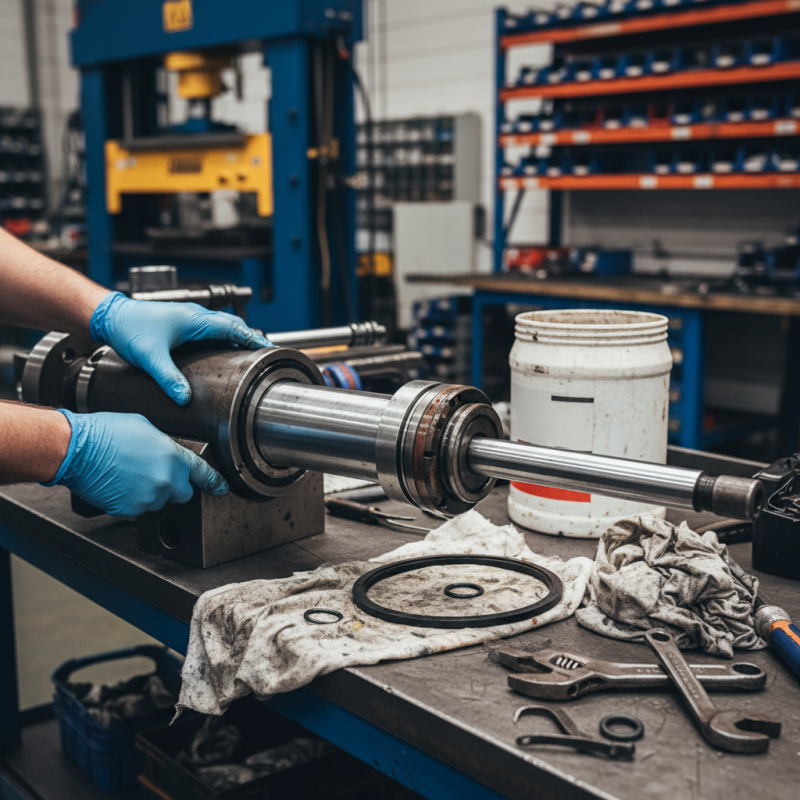
Hydraulic cylinders play a crucial role in various industrial applications. Understanding their components can significantly enhance their performance. A hydraulic cylinder comprises a barrel, piston, seals, and rods. Each component must function correctly to ensure efficiency and reliability.
The piston converts hydraulic energy into mechanical energy, driving the cylinder's movement. According to a report by the National Fluid Power Association, improperly sealed cylinders can lead to a performance drop of up to 30%. Regular inspection of seals is essential. The seals prevent fluid leaks, maintaining pressure within the system. If they fail, not only does performance suffer, but also safety can be compromised.
Rods are subjected to high stress during operation. A report from the International Fluid Power Society highlights that roughly 15% of hydraulic cylinder failures stem from rod wear. This wear is often exacerbated by external contaminants entering the system. Maintaining cleanliness and ensuring proper installation of components can mitigate these issues. Regular maintenance routines are necessary to avoid costly downtime and enhance the lifespan of hydraulic cylinders.
Identifying Common Hydraulic Cylinder Performance Issues
Hydraulic cylinders are crucial in various applications, but they often face performance issues. Common problems include leaks, poor responsiveness, and unusual noises. Addressing these concerns is essential for maintaining optimal performance.
A significant cause of hydraulic cylinder issues is leaks. They can occur due to worn seals or damaged fittings. Frequently checking for signs of oil on surrounding surfaces can help you spot leaks early. Poor responsiveness may stem from air trapped in the hydraulic system. This can often be resolved by bleeding the system to ensure proper fluid flow.
Unusual noises, such as grinding or hissing, often indicate deeper problems. These could relate to internal wear or improper lubrication. Regular maintenance is necessary to ensure all components are functioning correctly. Reflections on previous repairs can offer insights. Not all fixes are permanent. Sometimes, issues resurface, prompting further investigation. Staying proactive with inspections can prevent future complications.
Step-by-Step Inspection and Maintenance Procedures
Maintaining hydraulic cylinders is crucial for optimal performance. Regular inspection helps detect problems like leaks or wear. A recent industry report highlights that improper maintenance can reduce cylinder lifespan by 30%. This staggering figure emphasizes the need for a systematic approach to inspections.
To begin with, check for external leaks. Any fluid pooling beneath the cylinder indicates a potential issue. Use a flashlight to inspect the cylinder body and seals closely. Look for signs of damage or corrosion, which can compromise functionality. Cleaning the cylinder regularly is essential. Debris can cause wear and lead to costly repairs.
**Tip:** Always maintain a log of inspections and repairs. This tracking can help identify recurring issues over time.
Next, inspect the internal components when possible. Use a borescope to assess for internal wear or barrel scoring. Cylinder rods should also be checked for straightness and pitting. If any irregularities are found, plan for repairs promptly.
**Tip:** Consider using a hydraulic fluid analysis to monitor the condition of the fluid. Changes in fluid quality can indicate underlying issues.
How to Fix Hydraulic Cylinders for Optimal Performance? - Step-by-Step Inspection and Maintenance Procedures
| Inspection Item | Procedure | Frequency | Notes |
| Visual Inspection | Check for external leaks and damage | Weekly | Look for signs of wear like fraying seals |
| Pressure Testing | Perform pressure tests to check performance | Monthly | Ensure system pressure meets specifications |
| Seal Replacement | Replace worn or damaged seals | As needed | Use seals that match original specifications |
| Fluid Level Check | Check hydraulic fluid levels and top-up | Weekly | Use recommended hydraulic fluid |
| Cylinder Alignment | Ensure proper alignment with the mount | Before every use | Misalignment can cause wear and malfunction |
| Cleaning | Clean the cylinders to prevent contamination | Monthly | Use non-abrasive cleaners |
| Operational Check | Conduct a test run to assess performance | After maintenance or repairs | Ensure smooth operation and responsiveness |
Best Practices for Hydraulic Fluid Selection and Management
Choosing the right hydraulic fluid is crucial for system performance. The fluid acts as a lubricant, shock absorber, and heat transfer medium. Selecting an inappropriate fluid can lead to poor efficiency and even system failures. It’s essential to consider viscosity, temperature range, and chemical compatibility when making this choice.
Regular management of hydraulic fluid is equally important. Contaminants like dirt and water can compromise fluid integrity. Implementing a filtration system can help maintain cleanliness. Periodic sampling and testing of the fluid can reveal potential issues before they escalate. Neglecting these practices may result in costly repairs or downtime.
One common oversight in fluid management is ignoring storage conditions. Extreme temperatures can alter fluid properties, leading to unexpected behavior during operation. Ensuring proper storage can mitigate these risks. A thorough review of the hydraulic system helps identify weaknesses in fluid selection and management routines.
Utilizing Advanced Troubleshooting Techniques for Optimal Repair
Diagnosing hydraulic cylinder issues requires careful observation and an understanding of their functions. Start by checking for visible leaks or signs of wear. Inspect seals and fittings thoroughly. These components often show wear first. Experience tells us that a small leak can lead to significant performance loss. Look for oil traces and listen for unusual noises during operation.
Next, utilize advanced troubleshooting techniques. Pressure testing is crucial for diagnosing internal issues. Ensure the hydraulic system operates at optimal pressure. Low pressure may indicate internal cylinder damage. Use handheld tools for precise measurements. Document your findings, as this will guide your repair strategy.
Sometimes, stubborn problems persist despite thorough inspections. Reflect on past experiences and consider seeking expert insights. Collaboration may uncover overlooked factors affecting performance. A fresh perspective often reveals solutions previously missed. This commitment to learning can significantly improve repair outcomes. Keep refining your approach to ensure hydraulic cylinders function effectively.