What is a Lab Pulverizer and How Does It Work?
In the field of material science, a Lab Pulverizer stands out as a critical tool for preparing samples. This equipment is essential for reducing particle size efficiently. According to a recent report by MarketsandMarkets, the global pulverizing equipment market is expected to reach USD 2.6 billion by 2025. This growth demonstrates the increasing demand for precise material processing solutions across various industries.
Lab Pulverizers operate by applying high-energy impact and friction. They effectively grind solids into fine powders. This process is vital in laboratories for research and development. However, there are challenges in achieving consistent particle size distribution. Operators must take care to calibrate equipment accurately. Any miscalibration can lead to varied results, which questions the reliability of test outcomes.
Understanding the intricacies of a Lab Pulverizer is crucial for researchers. The complexity of the processes involved demands expertise. From sample selection to grinding parameters, each step influences the final results. Thoughtful considerations must be made to ensure sample integrity and reproducibility. As industries evolve, staying informed about these advancements will enhance the effectiveness of material analysis.
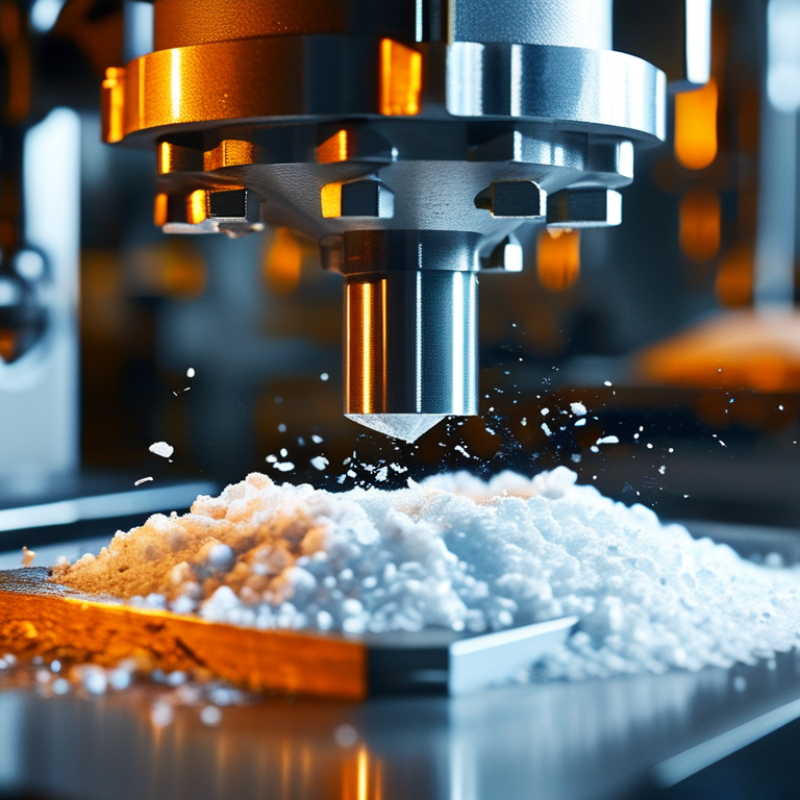
What is a Lab Pulverizer?
A lab pulverizer is an essential tool in laboratories, designed to crush and grind materials into fine powders. It plays a critical role in various industries, including pharmaceuticals, material science, and mining. Professional reports indicate that the global pulverizer market is expected to grow significantly, reaching over $5 billion by 2025. This growth reflects the increasing demand for precise and efficient material processing.
Lab pulverizers typically utilize high-energy impacts to break down samples. They can process materials such as minerals, plastics, and food. Different types of pulverizers exist, including ball mills and impact mills, each offering unique advantages for specific applications. The ability to control particle size distribution is crucial for ensuring reproducibility in experiments.
Tips: Always consider your sample material properties when selecting a pulverizer. Choose one that matches the hardness and size of your sample. This can significantly affect your results.
Some users may face challenges when adapting pulverizers to new materials. Not every pulverizer suits every type of sample. Experimenting with the settings is often necessary to achieve optimal results. It's essential to monitor and adjust as needed to prevent inconsistencies in the final product.
What is a Lab Pulverizer and How Does It Work?
| Attribute | Description |
| Definition | A lab pulverizer is a device used for grinding and reducing solid materials into smaller particles for various applications. |
| Common Uses | Material testing, sample preparation, and research in fields such as geology, metallurgy, and pharmaceuticals. |
| Types | Hammer mills, ball mills, disc mills, and rotor-stator mills. |
| Working Principle | Lab pulverizers work by applying mechanical forces to crush and grind materials, often using blades or balls within a closed chamber. |
| Key Features | Adjustable particle size settings, durable construction, and efficient grinding capabilities. |
| Maintenance | Regular cleaning, inspection of grinding components, and ensuring safety features are functional. |
Key Components of a Lab Pulverizer
A lab pulverizer is a critical tool for material analysis, often used in research and development. Its design is centered around efficiency and precision. Key components include the grinding chamber, the grinding mechanism, and the collection system. Each element plays a vital role in the pulverizing process, impacting the final material characteristics.
The grinding chamber houses the material to be pulverized. Its dimensions and shape can vary, tailored to specific needs. For instance, a report from an industry analysis revealed that grinding chamber size plays a crucial role in the throughput—optimal size ratios can double efficiency. The grinding mechanism, typically comprised of blades or balls, generates intense pressure and shear forces. Different materials require varied grinding methods; for example, harder materials may need more durable grinding elements.
The collection system is pivotal for retrieving ground material. It often utilizes sieves for precise sizing. Proper filter and sieve configuration can eliminate contaminants, ensuring material purity. Some users overlook the importance of regular maintenance on these components, which can lead to inconsistent results. Recent studies indicate that nearly 30% of lab pulverizers underperform due to neglect in upkeep, highlighting the need for diligence in lab practices.
Types of Lab Pulverizers and Their Applications
Lab pulverizers are crucial in various research and industrial applications. These devices are designed to finely grind materials, making them essential in fields like material science, environmental testing, and pharmaceuticals. A specific type known as the planetary ball mill is widely used due to its high efficiency and ability to produce nanoscale materials.
Different types of lab pulverizers serve various purposes. For instance, mechanical pulverizers can handle hard and brittle materials. They are effective in mining and geological applications. On the other hand, cryogenic pulverizers utilize liquid nitrogen to embrittle materials before grinding. These are particularly useful in the food industry, preserving the integrity of samples during processing. According to a recent industry report, the global pulverizer market is expected to grow by 5% annually, reflecting increased demand across multiple sectors.
The choice of a specific pulverizer type often depends on the material properties and desired fineness. Many laboratories find themselves facing challenges in achieving consistent particle sizes. This inconsistency can stem from improper equipment selection or inadequate operating conditions. Continuous advancements in pulverization technology aim to tackle these challenges, yet there's room for improvement in standard protocols and user training to ensure reliable results.
How Does a Lab Pulverizer Operate?
A lab pulverizer is a vital tool in many scientific fields. It is designed to grind materials into fine powders. The process involves several key stages that enhance the efficiency of material preparation. Operators feed samples into the pulverization chamber, where mechanical forces break down the particles. The grinding elements may include blades, balls, or other materials, depending on the type used.
Adjusting the speed and the duration of grinding can yield different particle sizes. Studies show that optimal particle size can improve the material's surface area, impacting its reactivity and overall performance in experiments. For instance, a report from the American Society for Testing and Materials indicates that proper pulverization leads to better consistency in results and enhanced material characteristics.
**Tips:** Regular maintenance of the pulverizer is crucial. Check the grinding surfaces frequently to prevent wear. This can help maintain performance and prolong the life of the device. Lastly, ensure you calibrate your equipment according to the material's properties. This can prevent complications during analysis and ensure reliable results.
Maintenance and Safety Considerations for Lab Pulverizers
When working with lab pulverizers, maintenance and safety are crucial. Regular checks help ensure optimal performance. Inspect the grinding elements frequently. Look for signs of wear and tear. Replace worn parts immediately to avoid equipment failure. This proactive approach saves time and money down the line.
Safety is paramount in lab environments. Always wear appropriate personal protective equipment (PPE). Safety goggles and gloves are essential. Proper ventilation is also critical. Using a fume hood can minimize exposure to harmful dust. Keep a fire extinguisher nearby. Familiarize yourself with emergency procedures, as this can make a significant difference in critical situations.
Tips: Establish a routine maintenance schedule. Document each check to track equipment health. Do not overlook noise levels; unusual sounds can indicate problems. Finally, train all lab personnel thoroughly on safety protocols. A well-informed team can prevent accidents and enhance productivity in the lab.
Lab Pulverizer Usage Statistics