What is Spider Coupling and How Does It Work?
spider coupling is a vital component in various mechanical systems. Its unique design provides flexibility and allows for the efficient transfer of torque and motion between two shafts. This coupling consists of a series of flexible arms, resembling a spider's legs. These arms effectively absorb shocks and vibrations, ensuring smoother operations.
In industrial applications, spider couplings are common. They enable machines to cope with misalignment. However, their performance can be affected by wear and tear over time. Regular maintenance is crucial, but not always prioritized. Neglect can lead to decreased efficiency and potential downtime, impacting overall productivity.
Understanding how spider coupling works is essential for engineers and technicians. Recognizing its advantages and limitations helps in selecting the right coupling for specific applications. Awareness of potential failures can drive proactive measures. This insight is critical for achieving optimal machine performance and longevity.
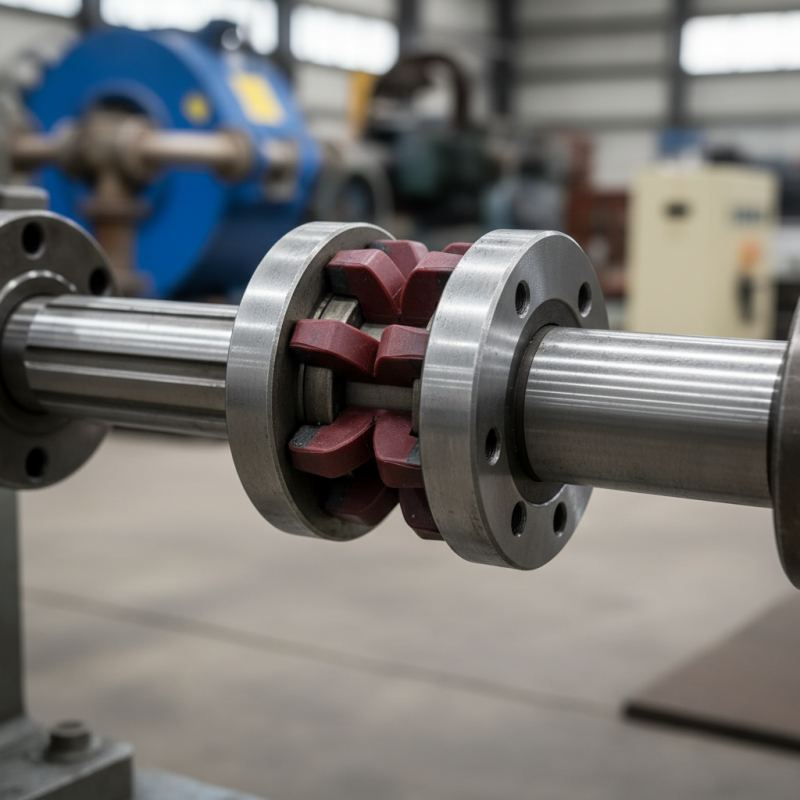
Definition of Spider Coupling and Its Applications
Spider coupling is an essential component in various mechanical systems. It typically consists of two hubs connected by flexible elements, resembling a spider's legs. This design allows for the accommodation of misalignment, vibration, and axial movement between connected shafts. It is widely used in machinery, automotive applications, and HVAC systems, providing a reliable means to transmit power while minimizing wear.
Applications of spider coupling are varied. In industrial settings, they connect motors to driven equipment. They help reduce stress on both components. In automotive systems, they assist in linking engines to transmissions. This flexibility plays a crucial role in maintaining efficiency and longevity. However, improper installation can lead to issues. Always ensure alignment before securing the coupling.
Tips: Regular maintenance can prevent failure. Inspect the coupling for wear or damage periodically. Also, consider the operating environment. High heat or dust can affect performance. Always follow guidelines for load specifications. This will help in choosing the right type. Remember that even small misalignments can cause significant problems over time.
Components of Spider Coupling and Their Functions
Spider coupling is an essential component in mechanical systems. It is often used to connect two shafts while allowing for some misalignment. The design of a spider coupling involves several key components that work together to achieve this flexibility.
The main parts of a spider coupling include the outer hubs and the elastomeric spider. The outer hubs are usually made of metal. They provide strength and durability. The elastomeric spider, made from flexible material, fits between the hubs. This part absorbs shocks and vibrations. It helps reduce wear and tear on the connected shafts. Moreover, the spider's design allows for easier maintenance. Sometimes, the spider wears out faster than expected, causing potential issues.
Another crucial aspect of spider couplings is the ease of installation. Many users appreciate the straightforward assembly process. However, improper alignment can lead to failure. Users often overlook the importance of precise alignment. Eventually, this can result in increased downtime. Understanding each component's role is vital for optimal performance.
Mechanism of Operation: How Spider Couplings Work
Spider couplings are essential components in various mechanical systems. They connect two shafts while allowing for some misalignment. This flexibility is crucial in many applications. They help reduce wear and tear on machinery, contributing to longer equipment life. The design consists of two metallic hubs and a spider, often made from rubber or polyurethane. The spider absorbs shock and vibration effectively.
The operation mechanism of spider couplings involves torque transmission. When one hub rotates, the spider enables the other hub to turn as well, even if there is minor misalignment. This unique feature is significant, as misalignment can lead to costly repairs. In fact, studies show that misalignment is responsible for 50% of all machinery failures. Choosing the right spider material can enhance performance. For high-torque applications, stiffer materials are preferred.
Tip: Regularly check for signs of wear. This can prevent unexpected downtimes. Additionally, ensure proper alignment during installation. Misalignment can lead to premature coupling failure. Remember to factor in working conditions such as temperature and load. These aspects can greatly affect the coupling's efficiency and lifespan.
Advantages of Using Spider Coupling in Mechanical Systems
Spider coupling is a popular choice in mechanical systems due to its unique design and function. These couplings feature a flexible spider inserted between two rigid hubs. This configuration helps absorb shocks and vibrations, reducing wear on equipment. A study by Research and Markets indicates that flexible coupling technology is expected to experience a 6% growth rate over the next five years.
One of the key advantages of spider couplings is their ability to cope with misalignment. In a mechanical system, misalignments can lead to significant operational issues. Spider couplings can accommodate angular and parallel misalignments. This flexibility can extend the lifespan of machinery. Reportedly, equipment failures stemming from misalignment can cost industries billions annually. Adopting spider couplings can mitigate this risk.
Another merit of spider couplings is their ease of installation and maintenance. They typically require no lubrication, which simplifies upkeep. This design approach aligns with increasing trends toward sustainability in manufacturing. However, it's crucial to ensure regular inspections. Compromised spiders may need replacements. Failing to address wear can lead to system failures. Users must balance the convenience with the need for ongoing evaluation.
Advantages of Using Spider Coupling in Mechanical Systems
Maintenance and Troubleshooting for Spider Couplings
Spider couplings are increasingly popular in various industrial applications. They ensure smooth transmission of power between shafts. Even though they have many advantages, maintenance is crucial for optimal performance. Regular inspections can help identify issues early. Check for wear and tear on the spider element. If you notice any cracks or deformities, it’s time for a replacement.
Troubleshooting spider couplings involves a few key steps. Start by checking the alignment of the connected shafts. Misalignment can lead to excessive wear. Listen for unusual noises during operation. If you hear grinding or rattling, immediately inspect the coupling. Lubrication is also important. Dry or contaminated grease can lead to failures. Keep an eye on the operating temperature. Overheating can indicate problems that need addressing soon.
While spider couplings are robust, they are not foolproof. Some operational challenges may arise. Users may overlook routine checks, leading to bigger issues. Educating the team on maintenance best practices can mitigate these problems. Having a proactive mindset will ensure longer service life for the coupling. Small, consistent efforts lead to better reliability.
What is Spider Coupling and How Does It Work? - Maintenance and Troubleshooting for Spider Couplings
| Dimension | Specification | Material | Typical Applications |
| Size 1 | 1.5 inch | Polyurethane | Electric Motors, Pumps |
| Size 2 | 2 inch | Rubber | Compressors, Gearboxes |
| Size 3 | 3 inch | Nylon | Fans, Conveyors |
| Size 4 | 4 inch | Silicone | Industrial Machinery, Textile Machines |