Empowering Engineering Excellence: Innovate, Elevate, Deliver.
Choosing the right valve can affect installation time, maintenance costs, and system reliability. For global buyers, an Angle Valve is more than a simple shutoff component. It controls flow where piping changes direction, often beneath sinks, beside toilets, or inside compact equipment cabinets. Small dimensions matter there.
This guide explores the top 10 types of Angle Valve used across residential, commercial, industrial, and water-treatment applications. It considers compression, threaded, flanged, thermostatic, ceramic-disc, needle, check, filter, and specialty designs. Each type offers different benefits for pressure control, temperature management, space efficiency, and service access. Real purchasing decisions also depend on body material, sealing performance, connection size, working pressure, and fluid compatibility.
Product experience helps, but it cannot replace documented testing. Buyers should review technical drawings, pressure ratings, material certificates, inspection records, and applicable regional requirements. A brass valve may suit clean water, while stainless steel can provide stronger corrosion resistance in demanding environments. Plastic options may reduce weight, yet they require careful temperature evaluation. Details matter.
No valve fits every project.
Supplier reliability deserves equal attention. Consistent batch quality, clear traceability, responsive technical support, and practical warranty terms reduce procurement risk. Factory audits and sample testing can reveal weaknesses that polished catalogs miss. Even experienced buyers can overlook installation orientation or gasket compatibility. That is worth questioning. The following overview provides a practical framework for comparing ten Angle Valve types and selecting a dependable option for each operating environment.
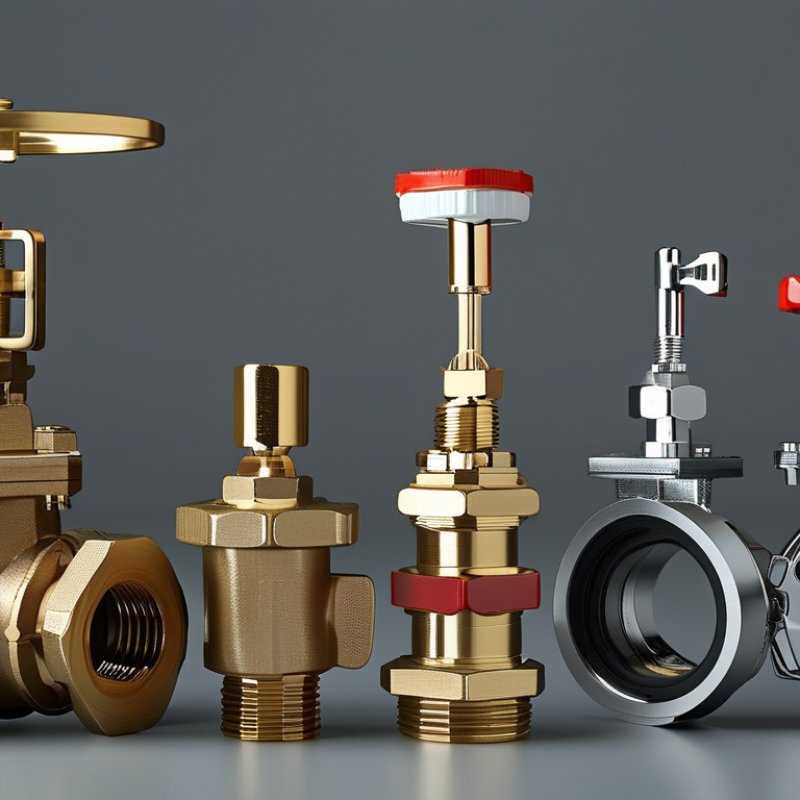
Top 10 Types of Angle Valves for Global Buyers
Angle valves redirect flow through a 90-degree path, saving space near walls, tanks, and equipment. Common types include angle stop, globe, ball, needle, check, relief, filter, thermostatic, regulating, and solenoid valves. Each design suits different control, isolation, or protection duties.
Global buyers should classify valves by media, pressure, temperature, connection, material, and operating method. Water service may accept brass or stainless steel, while corrosive fluids require stronger material reviews. Threaded, flanged, compression, and welded ends also affect installation time. Confirm the actual pipe standard before ordering.
A reliable selection starts with the valve data sheet, flow rate, pressure rating, and leakage class. Ask for material certificates, pressure test records, and traceability documents. Local approval rules can change by country and application. Do not treat a familiar size as a safe match. Field inspections often find mismatched threads, undersized valves, or seals damaged by temperature. A catalogue choice can look correct yet perform poorly in service. Review the medium carefully. That step is easy to underestimate.
Top 10 Types of Angle Valves for Global Buyers
Top 10 Angle Valve Types by Design, Function, and Application
Angle valves redirect flow by 90 degrees, saving space near walls, tanks, and equipment. Their designs serve different pressure, control, and maintenance needs. Standard angle stop valves suit household water lines and compact fixtures. Threaded angle valves provide practical installation where pipe threads already exist. Flanged angle valves handle larger pipelines and higher mechanical loads. Soldered angle valves create clean copper connections, but skilled heating control remains essential.
Press-fit angle valves speed installation in restricted areas, although compatible tools and fittings are necessary. Angle ball valves offer quick shutoff with a quarter-turn handle. Angle globe valves provide finer throttling for process lines, yet they may create higher pressure loss. Angle check valves prevent reverse flow in pumps, boilers, and vertical piping. Their internal spring or disc needs careful inspection.
Angle needle valves support precise low-flow adjustment in instruments and sampling systems. Angle relief valves protect equipment from excessive pressure when correctly sized and maintained. Thermostatic mixing angle valves regulate outlet temperature for sanitary applications. Filter angle valves capture debris before it reaches sensitive fixtures. Actuated angle valves allow remote control in automated systems.
Application often matters more than appearance. A stainless steel body may suit corrosive service, while brass can fit ordinary water duty. Seal material must match temperature, chemicals, and pressure. A frequent purchasing mistake is selecting by connection size alone. Flow rate, media cleanliness, installation direction, and local compliance requirements also deserve review. Selection is rarely perfect on the first attempt; field conditions can expose assumptions that product tables overlook.
The chart compares representative nominal pressure reference points commonly associated with widely used angle-valve configurations. Actual ratings depend on valve material, size, temperature, connection standard, and service conditions.
Angle stop, thermostatic, and pneumatic seat valves are commonly used in building services and light industrial systems. Check, gate, globe, ball, needle, and filter designs support isolation, throttling, backflow prevention, or contamination control. Hydraulic angle valves typically operate at substantially higher pressure levels than general-purpose plumbing valves.
Top 10 Types of Angle Valves for Global Buyers
Material, Pressure Rating, Connections, and Actuation Options
Angle valves look simple, but selection errors often begin with material mismatch. Brass suits clean water and moderate temperatures. Stainless steel handles corrosive fluids more reliably. Carbon steel supports demanding industrial service, but needs corrosion protection. Plastic bodies can reduce cost, although heat and impact limits require careful review. Grand View Research estimated the global industrial valves market at about USD 78 billion in 2023, showing the scale of these purchasing decisions.
The ten practical configurations include brass threaded, stainless threaded, flanged, socket-weld, butt-weld, compression, ceramic-cartridge, pneumatic, electric, and hydraulic angle valves. Pressure ratings should match both operating and surge conditions. Class 150, 300, and 600 systems are common reference points. However, a rating is not universal across materials or temperatures. ASME B16.34 requires pressure-temperature consideration, not just a catalog number. That detail is easily missed.
Connections determine installation time and leakage risk. Threaded ends suit compact maintenance work. Flanged ends help larger pipelines and repeated service access. Welded ends offer strong, permanent joints. Compression connections remain useful for smaller tubing. Actuation adds another decision. Manual handles are simple and inexpensive. Pneumatic actuators respond quickly in process systems. Electric actuators support remote control but need suitable enclosure protection. Hydraulic actuation delivers high force, though it adds complexity. MarketsandMarkets projects continued growth in industrial valve demand through 2030. Still, bigger demand does not guarantee better selection. A valve can meet pressure requirements and fail because its connection, seal, or actuator was overlooked.
| No. | Angle Valve Type | Typical Body Materials | Typical Pressure Rating | Common Size Range | Connection Options | Actuation Options | Typical Applications |
|---|---|---|---|---|---|---|---|
| 1 | Angle Globe Valve | Cast carbon steel, stainless steel, cast iron, bronze | ASME Class 150–600; approximately PN16–PN100 | DN15–DN300; NPS ½–12 | Flanged, threaded, socket weld, butt weld | Handwheel, pneumatic, electric, hydraulic | Flow regulation, steam, water, process and utility pipelines |
| 2 | Angle Needle Valve | Stainless steel, carbon steel, brass, nickel alloys | Up to approximately 10,000 psi or higher in specialized designs | DN3–DN50; NPS ⅛–2 | NPT, BSP, tube compression, instrument and socket weld fittings | Manual handwheel or fine-adjustment knob; optional actuator | Instrumentation, sampling, calibration lines and precise flow control |
| 3 | Angle Ball Valve | Brass, stainless steel, carbon steel, reinforced polymer | PN10–PN63; ASME Class 150–300 | DN8–DN100; NPS ¼–4 | Threaded, flanged, compression, press-fit, tube ends | Lever, pneumatic quarter-turn, electric quarter-turn | On/off isolation for water, air, gas and general industrial services |
| 4 | Angle Check Valve | Bronze, stainless steel, cast iron, ductile iron, carbon steel | PN10–PN40; ASME Class 150–300 | DN15–DN300; NPS ½–12 | Threaded, flanged, wafer, socket weld | Self-actuated by flow; spring-assisted or lever-assisted designs | Backflow prevention in pumps, compressors, water and process piping |
| 5 | Angle Safety Relief Valve | Carbon steel, stainless steel, bronze, nickel-based alloys | Set pressures commonly from 1 to 250 bar, depending on design | DN15–DN150; NPS ½–6 | Threaded, flanged, socket weld, inlet flange with outlet elbow | Spring-loaded or pilot-operated; automatic pressure actuation | Overpressure protection for boilers, vessels, compressors and process systems |
| 6 | Angle Control Valve | Cast steel, stainless steel, alloy steel, lined materials | ASME Class 150–1500; approximately PN16–PN250 | DN25–DN600; NPS 1–24 | Flanged, butt weld, socket weld | Pneumatic diaphragm or piston; electric and hydraulic options | Continuous control of pressure, temperature, level and flow |
| 7 | Angle Gate Valve | Cast iron, ductile iron, carbon steel, stainless steel | PN10–PN40; ASME Class 150–300 | DN50–DN600; NPS 2–24 | Flanged, grooved, threaded in smaller sizes | Handwheel, chainwheel, electric actuator | Full-bore isolation in waterworks, fire protection and industrial piping |
| 8 | Angle Plug Valve | Ductile iron, carbon steel, stainless steel, corrosion-resistant alloys | PN10–PN100; ASME Class 150–600 | DN25–DN500; NPS 1–20 | Flanged, threaded, butt weld | Lever, gearbox, pneumatic or electric quarter-turn | Slurries, wastewater, chemical services and dirty-fluid isolation |
| 9 | Angle Diaphragm Valve | Ductile iron, stainless steel, plastic-lined metal, engineered polymers | Commonly PN6–PN16; selected designs up to approximately PN25 | DN15–DN300; NPS ½–12 | Flanged, threaded, sanitary clamp, solvent socket | Manual handwheel, pneumatic actuator, electric actuator | Corrosive, abrasive, sterile and high-purity fluid handling |
| 10 | Angle Radiator or Plumbing Stop Valve | Forged brass, dezincification-resistant brass, stainless steel, chrome-plated brass | Commonly PN10–PN16; approximately 10–16 bar at room temperature | DN8–DN25; NPS ¼–1 | BSP or NPT threads, compression, push-fit, PEX or copper tube ends | Screwdriver slot, handwheel, lever or quarter-turn handle | Radiators, washbasins, toilets, domestic water and heating branches |
Note: Pressure ratings and temperature limits vary by body material, trim, seal material, applicable standard and service medium. Always verify the manufacturer’s certified pressure–temperature rating before selection.
Global buyers commonly evaluate ten angle-valve types: compression, threaded, solder, push-fit, PEX, ceramic-disc, thermostatic, check, needle, and quarter-turn models. Each type needs evidence for pressure, temperature, material safety, and service life. In practical submittal reviews, buyers should request test reports, batch traceability, installation instructions, and declared operating limits. A certificate alone is not enough.
Regional compliance can change the purchasing decision. North American potable-water projects often request NSF/ANSI/CAN 61 and ASME A112.18.1/CSA B125.1. European projects may reference EN 1213, while CE marking applies only when relevant legislation covers the product. Australia may require WaterMark approval. Local authorities can impose additional rules. Check them early.
The ISO Survey 2022 recorded 1,265,216 ISO 9001 certificates worldwide, showing how widely documented quality systems are used. This is not a valve count. It is still useful procurement evidence. The WHO/UNICEF JMP 2023 report estimated that 2.2 billion people lacked safely managed drinking water in 2022. Material compliance therefore matters beyond paperwork. Lead limits, corrosion resistance, and hygienic testing deserve equal attention. Smaller suppliers may provide excellent products, but incomplete regional files can delay approval. That risk is easy to underestimate.
Global buyers should treat angle valves as application tools, not interchangeable parts. Common options include compression, threaded, soldered, flanged, welded, needle, check, pneumatic, electric, and thermostatic types. Each suits different pressure, temperature, flow, and maintenance conditions. Grand View Research’s 2024 Industrial Valves Market report values the global market at approximately USD 78.8 billion in 2023. This scale increases sourcing choices, but also increases specification risks.
Select the valve body after checking the medium, pressure rating, temperature range, connection size, and installation space. Brass may suit clean water systems, while stainless steel supports harsher environments. Confirm sealing materials carefully. A seal that survives water may fail in oil or high-temperature service. Request dimensional drawings, pressure-test records, material certificates, and traceability documents. ISO 9001 certification is useful, but it does not replace product testing. The uncomfortable lesson is simple: a low unit price can hide poor machining, weak threads, or inconsistent inspection.
Tips: Compare total cost, not only purchase price. Ask for samples before bulk orders. Check ten random pieces from one batch. Review lead time, packaging, spare seals, and after-sales response. The 2024 MarketsandMarkets Industrial Valves report identifies energy, water, and process industries as major demand areas, so regional compliance and documentation matter. A supplier may look reliable on paper, yet small details often decide field performance.