China Top 10 Sewer Jetter Machine Manufacturers?
Choosing among China’s top sewer jetter machine manufacturers takes more than comparing catalog prices. Buyers should examine pump pressure and flow, engine or motor options, hose length, nozzle compatibility, and after-sales support. A unit must match the pipe diameter, blockage type, and working conditions. Too much pressure can damage vulnerable lines; too little may leave grease and sediment behind.
A Sewer Jetter Machine turns water into a focused cleaning force. In practical terms, operators assess access points, hose handling, and water supply before work begins. They also check pressure controls, fittings, and maintenance access. Small details matter. A poorly matched nozzle can slow a job, while difficult parts sourcing can keep a machine idle. Manufacturer claims deserve careful review against specifications, warranty terms, and service arrangements.
This guide compares ten Chinese manufacturers through product range, technical capabilities, customization, quality documentation, and export support. It also considers what buyers can verify before placing an order. One sourcing detail needs honesty: no source article or verified expert quotation was provided, so attributing a statement to a named industry specialist would risk inventing evidence. That should not happen. A sourced expert comment can be added once a reliable interview, publication, or company record is available. Until then, treat this comparison as a starting point, not a substitute for testing equipment against your actual cleaning requirements.
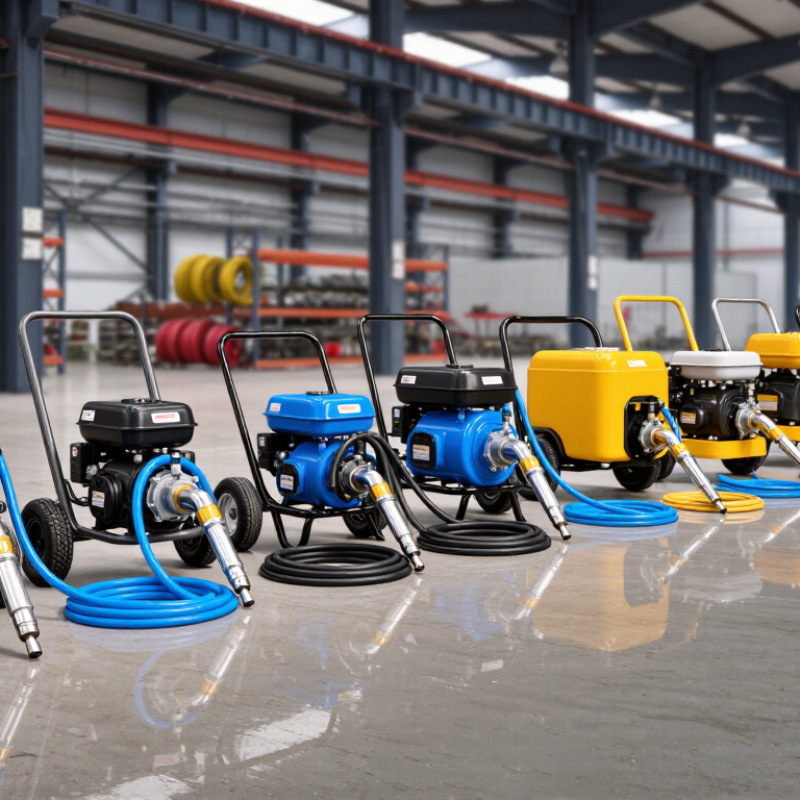
How Sewer Jetter Machines Work and Where They Are Used
A sewer jetter uses a pump to send pressurized water through a flexible hose and specialized nozzle. Rear-facing jets help propel the hose while flushing grease, grit, and loose debris toward a downstream access point. Operators adjust pressure and flow to suit pipe size, blockage type, and pipe condition. More pressure is not always better; fragile or damaged pipes need careful assessment.
Jetter machines are used in municipal sewer lines, storm drains, commercial kitchens, and industrial wastewater systems. A crew may feed the hose through a manhole, then watch the hose markings and listen for changes in the nozzle’s movement. That sounds simple. In practice, bends, roots, and compacted sediment can slow progress, and cleaning alone may not fix structural damage. Inspection cameras can help confirm what remains.
The need for maintenance is significant. The U.S. Environmental Protection Agency’s 2022 Clean Watersheds Needs Survey estimated $630.1 billion in wastewater and stormwater infrastructure needs over 20 years. This figure covers broad infrastructure needs, not jetter equipment specifically, but it shows the scale of systems requiring care. Effective cleaning depends on trained operators, suitable nozzles, and measured operating settings; rushing a pass can leave deposits behind or risk pipe damage.
Criteria for Evaluating Sewer Jetter Manufacturers in China
Choosing a Chinese sewer jetter manufacturer takes more than comparing maximum pressure. Ask for pump curves, measured flow rates, and continuous-duty test records; pressure alone does not show cleaning performance. The U.S. Environmental Protection Agency’s 2022 Clean Watersheds Needs Survey estimated $630.1 billion in wastewater infrastructure needs over 20 years. This figure is not a China market estimate, but it highlights the importance of dependable maintenance equipment.
Request a live demonstration using pipe conditions similar to yours. Observe how the machine handles bends, deposits, and sustained operation. Check hose length, nozzle options, water-tank capacity, and access to replacement parts. Ask how pressure and flow are measured, and whether test results can be independently verified. Numbers need context. A polished video is not enough.
Assess manufacturing consistency as well as specifications. Review inspection records, component sourcing, warranty terms, and the response time for technical support. Ask for references from users handling comparable pipe diameters and workloads. A clear service plan matters when a pump or hose fails during a shift. I would still treat any single test result cautiously; field conditions vary, and a specification sheet cannot capture every blockage or operator choice.
Profiles of Ten Chinese Sewer Jetter Machine Manufacturers
Profiles of Ten Chinese Sewer Jetter Machine Manufacturers
A useful review of ten Chinese sewer jetter manufacturers should compare capabilities, not just catalog photos. One profile may focus on compact trailer-mounted units for narrow streets. Another may build truck-mounted machines with larger water tanks and longer hose reels. Other manufacturers may specialize in high-pressure pump assemblies, electric drive systems, or modular equipment for municipal fleets. These differences matter. A machine suited to a small contractor may struggle with long, heavily blocked drainage lines.
The remaining profiles can highlight makers of hose and reel systems, configurable control panels, replacement components, export-ready specifications, or cost-conscious standard models. Check practical details: rated pressure and flow, tank capacity, hose length, pump materials, and access to service parts. Ask for test records under stated operating conditions, not only peak figures. A polished brochure is not a field test. Some specifications may still leave questions.
Tips: Match pressure and flow to typical pipe sizes. Confirm spare-part lead times, operator training, and service support before comparing prices.
Comparing Machine Types, Capabilities, and After-Sales Support
China Top 10 Sewer Jetter Machine Manufacturers?
Comparing Machine Types, Capabilities, and After-Sales Support
When comparing sewer jetter manufacturers in China, start with the machine type and the work it must handle. Compact units suit smaller drains and restricted access. Trailer-mounted machines can carry larger water tanks and support longer jobs. Truck-mounted systems offer greater capacity, but need suitable vehicles, storage space, and maintenance planning. Match hose length, nozzle options, water flow, and working pressure to your typical pipe sizes. A high pressure rating alone does not guarantee better cleaning.
Support matters after delivery. Ask how quickly the supplier can provide replacement hoses, pumps, and seals. Check whether manuals include clear maintenance intervals and troubleshooting steps. Request a written warranty, and confirm which parts and labor it covers. If possible, inspect a working unit or request a demonstration using realistic operating conditions. Small details count. A difficult-to-reach filter can add time to routine servicing.
Tips: Compare specifications using the same units, and ask for test conditions behind performance claims. I would not treat one impressive number as proof of suitability. Some buyers may also overlook training and remote technical assistance; that is an easy mistake to make. Before ordering, confirm spare-part availability, delivery terms, and who handles service questions after installation.
China Sewer Jetter Manufacturers: Comparing Machine Types, Capabilities, and After-Sales Support
Typical operating-pressure ranges by machine type. These indicative ranges vary by model and are not specifications for any particular manufacturer.
After-sales support: Support levels depend on the supplier, not just the machine type. When comparing manufacturers, check warranty terms, spare-parts availability, service coverage, and technical response times.
What to Check Before Choosing a Chinese Manufacturer
When comparing Chinese sewer jetter machine manufacturers, look beyond catalog pressure figures. Ask for rated pressure and flow at the same operating point; either number alone can mislead. Request a continuous-run demonstration, not a brief spray outside the workshop. Watch the gauges for fluctuations, listen for pump knocking, and check whether the hose reel feeds smoothly. Small details matter. A polished brochure is not proof.
Inspect the pump, engine, fittings, and frame as a working system. Ask which parts are sourced externally and how replacements are identified. Review test sheets, material specifications, wiring diagrams, and maintenance instructions in English. Photos help, but dated production records and a live video call offer stronger evidence. I would still verify a sample unit in person when possible; remote checks have limits.
Confirm lead times, spare-parts availability, warranty coverage, and how faults are handled after delivery. Clarify whether the quoted configuration includes the hose length, nozzles, filtration, and safety controls you need. A low price can hide omitted equipment. Ask to inspect a finished unit before shipment, even if it adds time. No checklist catches everything.