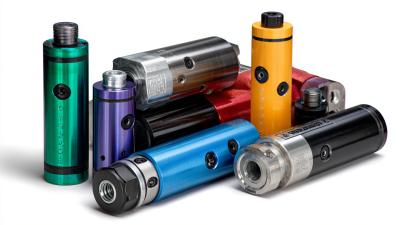
What Is a Hydraulic Cylinder and How Does It Work?
A Hydraulic Cylinder converts pressurized fluid into controlled linear movement. It can lift, push, pull, clamp, tilt, or position heavy equipment with remarkable force. Inside its steel body, hydraulic oil enters one side of the cylinder. Pressure then moves a piston, rod, and connected machine part. The process looks simple. The engineering is not.
Hydraulic engineer Brendan Casey often emphasizes, “A hydraulic system is only as good as its weakest component.” This practical warning applies directly to every Hydraulic Cylinder. A scratched rod, contaminated oil, worn seal, or undersized hose can reduce performance quickly. In a workshop, these problems may appear as slow movement, uneven travel, external leakage, or a sudden loss of force. Small details matter.
This guide explains the main parts, operating cycle, pressure relationships, and common applications of a Hydraulic Cylinder. It also considers maintenance choices, safety controls, and real operating conditions. A cylinder may be rated for a specific load, yet poor alignment can still damage it. That is an easy point to overlook. Temperature, side loading, oil cleanliness, and stroke length also influence service life. Understanding these factors helps engineers, technicians, and equipment owners make better decisions. It does not eliminate every failure. It makes failures easier to prevent, diagnose, and correct.
Hydraulic Cylinder Definition and Core Function
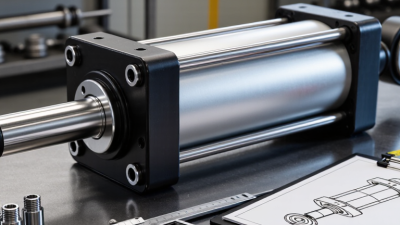
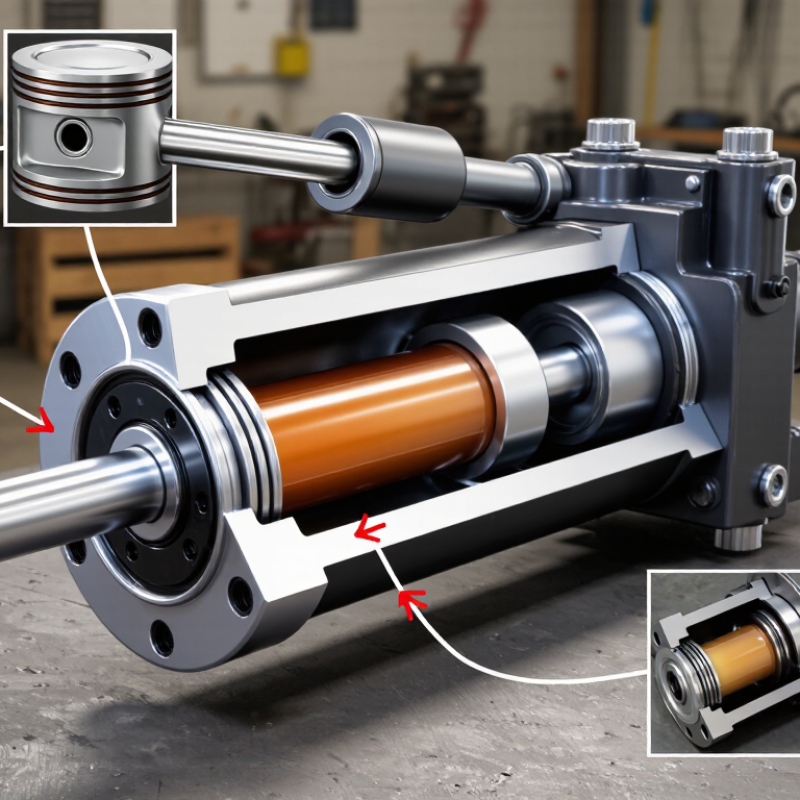
A hydraulic cylinder is a mechanical actuator that converts pressurized fluid into controlled linear motion. Its main parts include a cylinder barrel, piston, piston rod, seals, and fluid ports. When hydraulic oil enters one side of the barrel, pressure pushes against the piston. The piston then moves the rod outward or inward.
Its core function is producing force for lifting, pressing, clamping, steering, or positioning. Engineers estimate output force with a simple relationship: pressure multiplied by piston area. However, real performance is never perfectly theoretical. Friction, seal wear, fluid temperature, and trapped air can reduce movement quality. The rod side also has less working area, so retraction usually produces different force and speed. Small design mistakes can become visible as drift, vibration, or uneven motion.
Tips:
Check the rod for scratches, rust, and oil film before operation. Inspect seals and hose connections regularly. A clean fluid supply matters. Never treat slow movement as harmless; it may indicate internal leakage or air in the circuit. Confirm pressure settings with suitable measuring equipment, and use the manufacturer’s technical limits for bore size, stroke, and load. A practical inspection record is useful, although it is easy to overlook gradual seal deterioration.
Main Components and Their Roles
A hydraulic cylinder is a mechanical actuator that converts pressurized fluid into controlled linear movement. Inside the cylinder barrel, hydraulic oil pushes against a piston. This force moves the piston rod outward or inward, allowing machinery to lift, press, clamp, tilt, or position a load. The barrel contains pressure, while the piston separates the two fluid chambers. Even a small seal problem can reduce performance noticeably.
Each component has a specific responsibility. The piston transfers fluid pressure into mechanical force. The piston rod carries that force to the external load and must resist bending, scratches, and side loading. Seals prevent oil leakage and stop dirt from entering the cylinder. The rod gland supports the rod near the opening, while ports direct oil into either chamber. Mounting points connect the cylinder to the machine and influence alignment. Poor alignment is easy to overlook. It can create uneven wear and shorten service life.
Tips: Inspect the rod surface, seals, and mounting bolts regularly. Keep hydraulic fluid clean and use the correct pressure rating. A practical check is simple: extend the cylinder slowly and watch for jerky motion, unusual noise, or drifting. These signs may indicate trapped air, internal leakage, or excessive load. Never judge condition by appearance alone. Some internal damage remains invisible until performance changes. Technician judgment still matters, and inspection records should include operating temperature, load conditions, and maintenance dates.
How Hydraulic Pressure Produces Linear Motion
What Is a Hydraulic Cylinder and How Does It Work?
A hydraulic cylinder changes fluid pressure into controlled linear motion. A pump sends pressurized oil through a valve and into one side of the cylinder. The fluid pushes against a piston, creating force across its surface area.
The basic relationship is simple: force equals pressure multiplied by piston area.
Higher pressure usually produces greater force, but the cylinder, hoses, and seals must safely handle that load.
The piston connects to a steel rod, which extends or retracts as fluid enters different chambers. Flow controls the movement speed. Pressure controls the pushing force. A larger piston can generate more force at the same pressure, although it often moves more slowly.
Small details matter. Clean fluid protects seals and reduces wear. Air trapped inside can cause uneven motion, vibration, or a soft response.
The simple explanation is useful, but incomplete. Friction, temperature, leakage, and changing loads affect real performance. During equipment inspections, technicians often check rod damage, seal leakage, loose fittings, and unusual noise. These signs may appear before a cylinder fails.
A pressure gauge can reveal problems, but it cannot explain every symptom.
A worn seal may reduce holding ability, while a restricted valve may slow movement. Hydraulic systems look powerful. They still need careful adjustment.
Applications, Maintenance, and Safety Considerations
What Is a Hydraulic Cylinder and How Does It Work?
A hydraulic cylinder converts pressurized fluid into controlled linear movement. A pump sends fluid into one chamber, pushing a piston and extending the rod. Reversing fluid flow retracts the rod. This simple action produces substantial force in excavators, lifting platforms, agricultural equipment, presses, and industrial machinery. In practice, cylinder performance depends on pressure, load alignment, fluid cleanliness, and seal condition. A small misalignment can create uneven wear, even when the machine still operates.
Maintenance requires more than checking for visible leaks. Inspect the rod for scratches, rust, and bending. Examine seals, mounting pins, hoses, and connection points during scheduled shutdowns. Keep hydraulic fluid clean and use the specified grade. Contaminated fluid can damage valves and shorten seal life. Before servicing, lower supported loads, isolate energy sources, and release stored pressure. Never use your hands to search for a leak. A fine fluid jet can penetrate skin. This danger is easy to underestimate.
Tips: Wipe the rod before retraction, especially in dusty environments. Record unusual noise, drift, heat, or slower movement. These details help technicians identify problems earlier. Replace damaged hoses promptly, not after failure. Use guards where falling loads or moving rods could reach workers. A practical inspection checklist helps, although it may be ignored when production pressure rises. That habit needs correction. Safety should remain part of every operating decision.